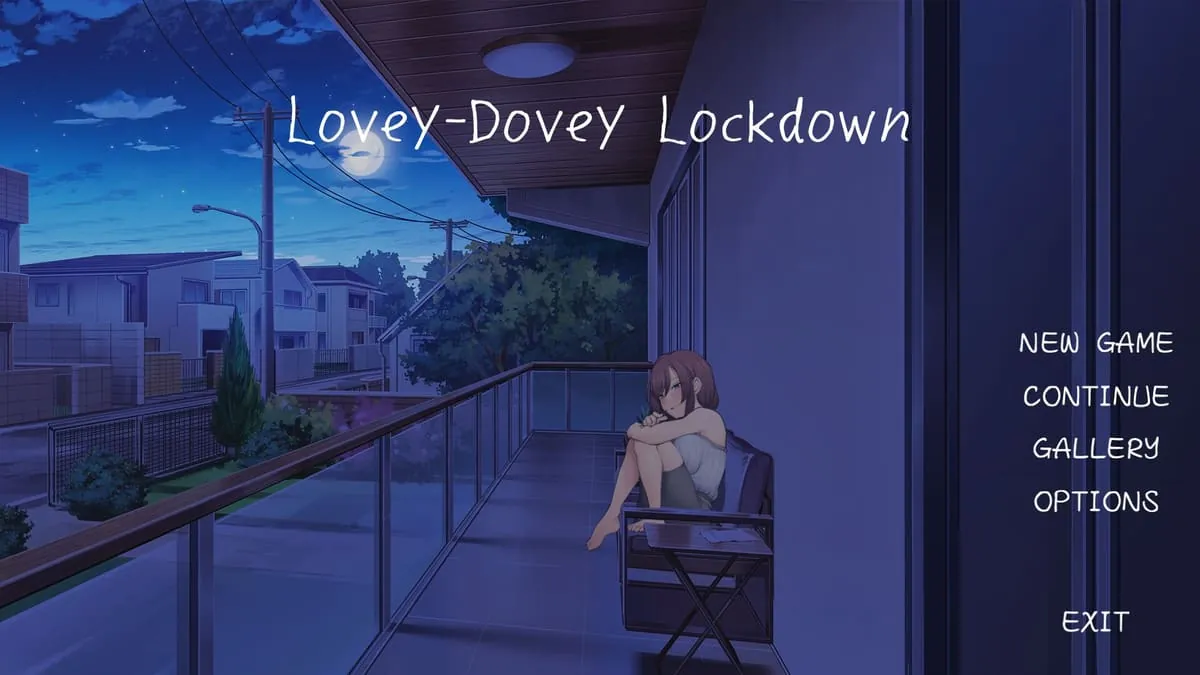
神的不在場SEX Screenshots






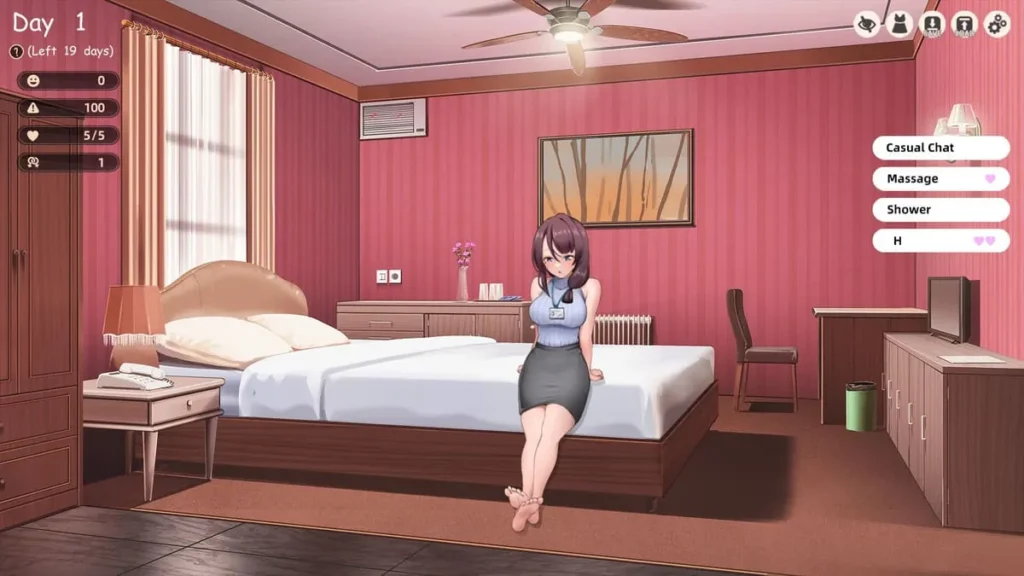
神的不在場SEX review
Explore gameplay mechanics, story depth, and what makes this 2024 visual novel stand out
神的不在場SEX has emerged as a standout title in the interactive fiction genre since its 2024 release. This Taiwanese-developed game combines branching narrative choices with unique gameplay mechanics that challenge players to navigate complex relationships and moral decisions. Whether you’re curious about the story premise, gameplay systems, or what sets this title apart from other visual novels, this guide provides everything you need to know about this acclaimed interactive experience.
Understanding the Core Gameplay and Story Premise
Let’s be honest—when you first hear the title 神的不在場SEX, you might have certain… expectations. I certainly did. But within minutes of starting this interactive fiction 2024 release, I was completely disarmed. This isn’t a shock-value title; it’s a deeply human, “pure love-oriented” story wrapped in one of the most ingenious and punishingly fair choice-based systems I’ve seen. The game masterfully uses its provocative premise not as a crutch, but as the foundation for a tense, emotional, and morally complex character study. To truly appreciate it, you need to understand its brilliant core. So, let’s lock the door behind us and dive into the 神的不在場SEX story premise and its exceptional 神的不在場SEX gameplay mechanics.
What is the Main Story Setup? 🚪
The genius of this choice-based narrative game begins with a scenario that feels painfully real before it twists into the supernatural. You play as a seemingly ordinary office worker who, through fate (or misfortune), is reunited with Ai, your radiant college crush. The catch? She’s now married, and your interactions are confined to polite, awkward exchanges at the office water cooler. That unrequited, nostalgic longing is something I think we’ve all felt at some point—that “what if” that never quite goes away.
This all changes during a seemingly routine company retreat. A freak incident—or, as the title suggests, a divine prank—traps you and Ai alone in a secluded wing of a remote lodge. This is no ordinary lock-in. A mysterious, omnipresent “Rule” manifests, presenting you with a terrifying ultimatum and the core 神的不在場SEX story premise: to escape, specific, intimate conditions between the two of you must be met within a strict 19-day cycle.
Suddenly, your quiet yearning is thrust into a hyper-pressure cooker. The game isn’t about pursuing a fantasy; it’s about navigating a minefield of ethics, consent, and desperation with someone you care deeply about. Every conversation is loaded. Every glance carries weight. Do you become manipulative to survive? Do you confess your true feelings and risk everything? Or do you try to find another way out, together? This foundational tension is what fuels every single one of the game’s visual novel multiple endings. It’s less about “winning” Ai over and more about discovering what kind of person you—and she—become when the normal rules of society vanish.
How Do the Branching Mechanics Work? 🌳
If the story is the heart, the branching dialogue system visual novel mechanics are the brilliant, ticking-clock brain. This isn’t a game where you casually chat your way to an ending. It’s a resource-management puzzle disguised as a romance, and it had me restarting more times than I’d like to admit!
The structure is deceptively simple. You have 19 in-game days to achieve your goal. Each day, you are given a very limited number of Action Command points. You can spend these points on:
* Talking to Ai: Choosing from multiple dialogue branches.
* Exploring the environment: Searching rooms for items, clues, or hidden lore.
* Using Items: Everything from finding a spare key to offering a shared meal.
* Resting: Crucial for managing hidden stats like stress and stamina.
Here’s where the 神的不在場SEX gameplay mechanics show their teeth. Every single action consumes a point, and days pass in real-time segments. You cannot do everything. A choice to spend the afternoon rummaging through an abandoned storage room is a choice not to have a delicate conversation with Ai over dinner. I learned this the hard way on my first playthrough, focusing so much on “solving the mystery” of our imprisonment that I completely neglected our relationship, leading to a bleak, lonely ending.
This limited action economy forces you to strategize like you’re playing a tactical game. The branching dialogue system visual novel design means early, seemingly innocuous choices can lock or unlock entire paths days later. For example, mentioning a found photograph early on might open a new, vulnerable conversation topic with Ai on Day 10. Ignoring her stress level might cause her to refuse to engage in a critical puzzle segment on Day 15.
Pro Tip from My Playthrough: Don’t try to be a hero or a perfect romantic on your first go. The game is designed for multiple playthroughs. Use your first run to explore, make “mistakes,” and see where the branches lead. The true magic is in seeing how different combinations of dialogue, discovery, and demeanor weave together to create the game’s visual novel multiple endings—from bittersweet and philosophical to unexpectedly hopeful, and everything in between.
What Makes the Karma Mirror System Unique? 🔮
This is the crown jewel, the mechanic that truly sets this interactive fiction 2024 release apart. Forget invisible morality points or simple “Good/Evil” sliders. 神的不在場SEX gives you a Karma Mirror game mechanic—a literal, ever-present mirror in your character’s room that reflects the moral and emotional state of your journey.
The mirror is your real-time conscience. It’s not judging you based on grand ambitions, but on the micro-actions you take every day.
Let me give you that concrete example from my playthrough that I promised. On Day 7, Ai fell ill with a slight fever. We had found some basic medicine earlier, but it was our only pack. I faced a choice: give her all the medicine (compassionate but leaves me vulnerable), split it (pragmatic), or keep it and lie, saying I couldn’t find any (selfish). In a moment of panic about my own stamina, I chose the third option.
The game didn’t just flash a “Morality -10” on the screen. That night, when I checked the Karma Mirror, a prominent, jagged crack had appeared across its surface. The visual feedback was jarring and instantly filled me with guilt. But it didn’t stop there. The next day, Ai’s dialogue options were limited. She was less responsive, more withdrawn. The game’s world state had shifted because my action had eroded trust. Conversely, in a later playthrough when I consistently chose small kindnesses—sharing food, offering comfort—the mirror would emit a soft, warm glow, and Ai would gradually become more open, unlocking new, more intimate narrative branches.
The Karma Mirror game mechanic influences everything:
* Dialogue Options: A clean, glowing mirror may unlock compassionate or romantic choices. A cracked, darkened mirror might only offer cynical or manipulative paths.
* NPC Interactions: Ai’s entire demeanor, from her sprite’s posture to her voice tone in voiced segments, reacts to the mirror’s state.
* Puzzle Solutions: Some hidden clues or cooperative mini-games (which are fantastic for unlocking backstory) may only be accessible if the mirror shows a certain level of “balance” or “purity.”
It’s a breathtakingly elegant way to visualize cause and effect, making you feel the consequences of being a coward or a hero in a way a stat sheet never could.
| Gameplay Mechanic | What It Is | Why It’s Significant |
|---|---|---|
| 19-Day Action Cycle | A limited resource system where you spend daily Command Points on dialogue, exploration, or rest. | Creates constant, meaningful tension. Forces strategic prioritization and makes every playthrough unique, directly feeding into the visual novel multiple endings. |
| Branching Dialogue System | A complex web of conversation choices where early decisions can lock or unlock entire narrative paths days later. | Transforms simple conversations into strategic puzzles. It captures the butterfly effect of real human interaction, making the choice-based narrative game feel deeply personal and consequential. |
| The Karma Mirror | A real-time visual feedback system that changes (cracks, glows, darkens) based on player choices. | Moves morality from an abstract number to a visceral, ever-present image. It’s the core of the game’s emotional feedback loop, uniquely defining these 神的不在場SEX gameplay mechanics. |
| Optional Content Toggle | A settings menu option to fade to black during intimate scenes, focusing purely on the story and character drama. | Respects player preference and underscores the game’s true focus: a character-driven “pure love” story. It allows anyone to engage with the profound 神的不在場SEX story premise on their own terms. |
| Environment Puzzles & Mini-Games | Lock-picking, code-breaking, and exploration segments that yield critical items or hidden character lore. | Breaks up the narrative with engaging interactivity. Success often depends on your relationship with Ai (influenced by the Mirror), tying gameplay directly to narrative progression. |
The true standout of 神的不在場SEX is how all these systems—the relentless 19-day clock, the strategic branching dialogue system visual novel choices, and the haunting Karma Mirror game mechanic—intertwine seamlessly. You’re not just watching a story about difficult choices; you are living the anxiety, the second-guessing, and the fragile hope yourself. This masterful integration of narrative and mechanics is what elevates it from a compelling visual novel to a landmark interactive fiction 2024 release. It proves that within a specific, even provocative, 神的不在場SEX story premise, you can find a universally resonant exploration of human connection, morality, and the paths we choose when no one else is watching.
神的不在場SEX represents a thoughtful approach to interactive storytelling, blending meaningful choice systems with emotional narrative depth. The game’s Karma Mirror mechanic and branching dialogue structure create genuine replay value, encouraging players to explore different relationship paths and moral choices across multiple playthroughs. With its optional content toggles, diverse ending possibilities, and focus on character-driven storytelling rather than shock value, the game appeals to both seasoned visual novel enthusiasts and newcomers to the genre. If you’re interested in narrative-driven experiences where your decisions genuinely shape the outcome, this 2024 title deserves consideration. Explore the game yourself to discover which of the nine endings resonates most with your choices.