A House in the Rift
Play A House in the Rift
A House in the Rift Screenshots









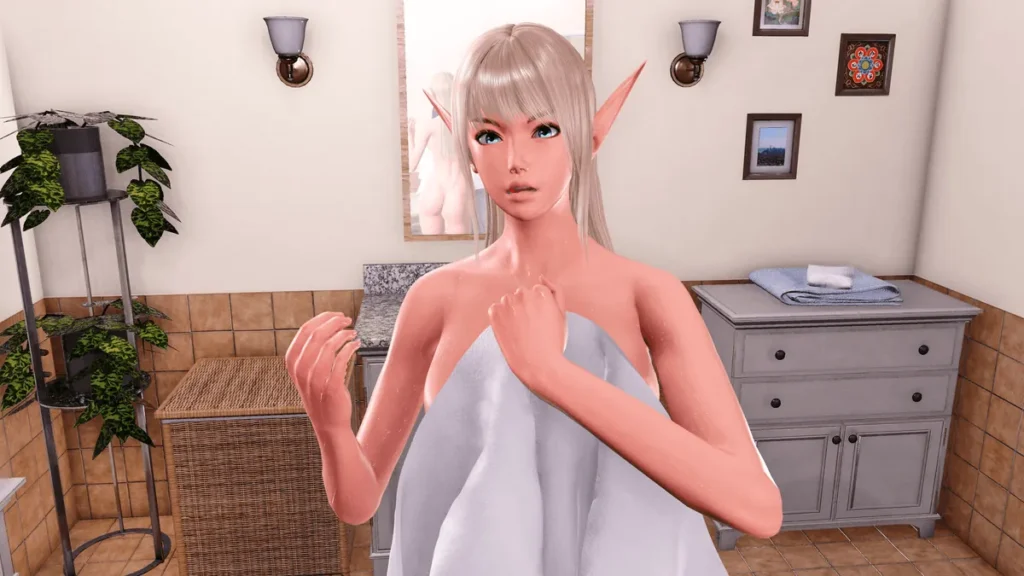
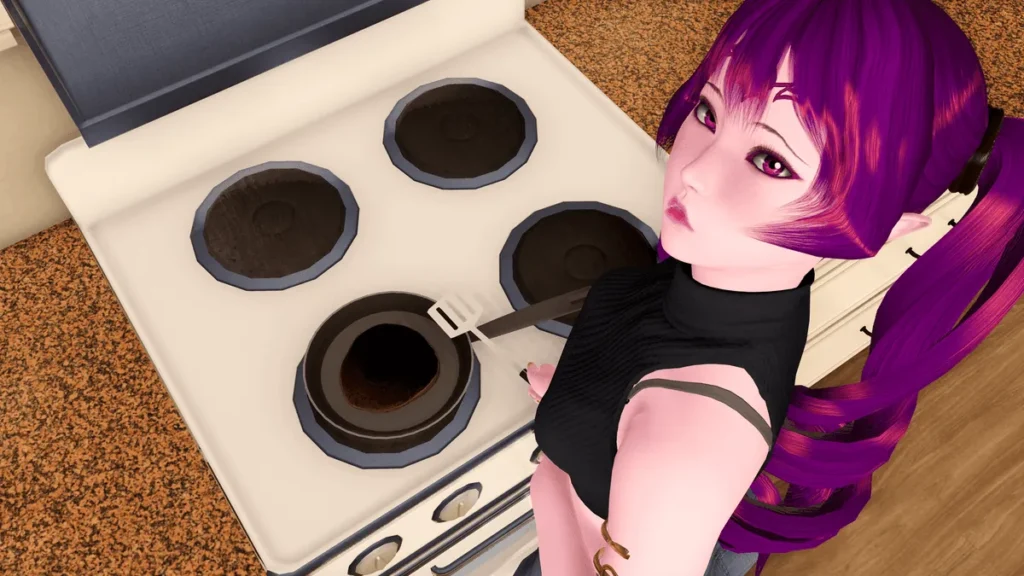
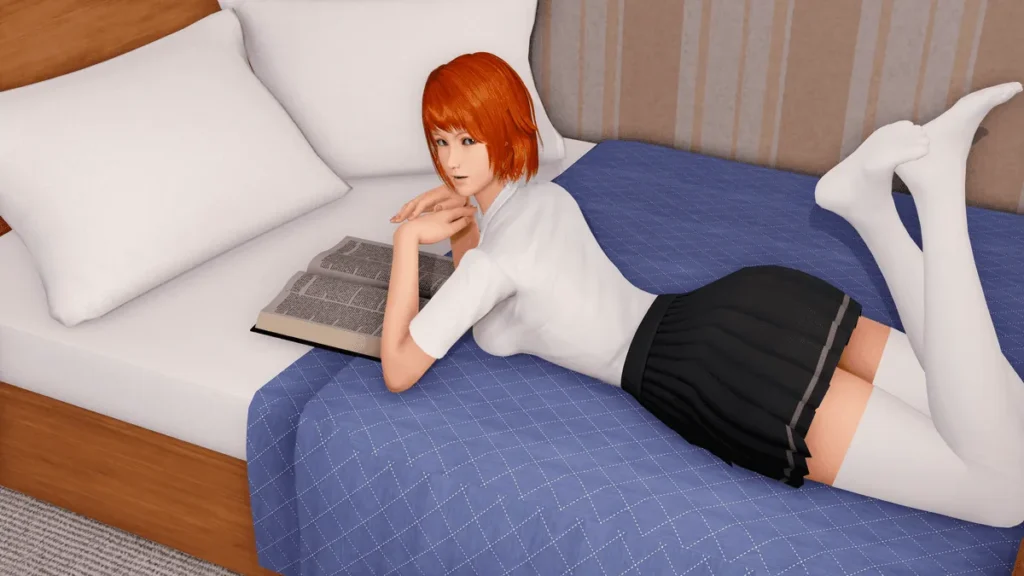




A House in the Rift review
Discover immersive worlds, captivating characters, and thrilling adventures in this standout title
Ever stumbled into a game that pulls you into a believable world far beyond typical setups? That’s A House in the Rift for me. Waking up in a mysterious rift house with stunning companions like Naomi, this visual novel blends deep storytelling, engaging quests, and intimate encounters that keep you hooked for hours. I’ve lost count of late nights exploring its rooms, uncovering lore, and building relationships. If you’re diving into A House in the Rift, this guide shares my personal tips, from navigation tricks to latest updates like version 0.8.06r1, ensuring you maximize every moment in this rift adventure.
What Makes A House in the Rift Stand Out?
I remember the exact moment A House in the Rift went from “just another game” to “oh wow, I live here now.” I’d been clicking through a dozen titles that weekend, each promising epic fantasy but delivering empty hallways and forgettable faces. Then I loaded this one up. Within minutes, I wasn’t just controlling a character; I was inhabiting a space that felt lived-in, mysterious, and brimming with untold stories. The creak of the floorboards, the strange glow from a locked door, the immediate sense that every object had a history—it was a masterclass in pulling a player into its world. That’s the magic trick this title performs so well, and it’s why I’m here to break down what makes A House in the Rift such a standout experience. 🏡✨
This isn’t about a checklist of generic features. It’s about how the game weaves A House in the Rift world building, deep lore, and unforgettable A House in the Rift characters into something that feels genuinely alive. Let’s pull back the curtain.
Why the World Feels Alive and Believable
So many games build a beautiful set, but forget to put on a play. A House in the Rift never makes that mistake. From your first steps, the environment isn’t just a backdrop; it’s a silent character, a puzzle box of narrative. The titular House itself is a nexus, a place between worlds, and every corridor and room whispers secrets of the A House in the Rift lore.
What makes it work? It’s the details that suggest a life beyond your screen. Notes aren’t just lore dumps; they’re personal journals, shopping lists, or frantic scribbles that make you wonder about the writer. Visual cues in the architecture and decor hint at different eras and magics colliding. This is a world where history has weight, and it directly influences everything, especially the characters. The game introduces concepts like ancient witch bloodlines, and you don’t just read about them—you see their influence in a character’s eyes, hear it in their hesitant speech, and feel their legacy in the magical tension of a room.
This “lived-in” quality is the bedrock of immersion. You’re not just passing through; you’re uncovering, restoring, and influencing a space with its own rhythm. Practical tip? Slow down. Don’t rush from objective to objective. Click on the books, examine the odd trinket on the shelf, and really listen to the ambient sounds. The game rewards the curious player with a richer, more believable world. It’s this commitment to detail that forms one of the best A House in the Rift features.
Key Characters and Their Unique Stories
If the House is the stage, the A House in the Rift characters are the captivating performers who make you care about the story. This is where the game truly shines, moving beyond archetypes to create individuals with layers, conflicts, and evolving relationships with you, the player.
At the heart of it all is Naomi A House in the Rift. She’s far more than a simple companion; she’s a window into the game’s deepest mysteries. Introduced with a blend of vulnerability and latent power, Naomi’s design—from her distinctive features to her wary demeanor—is a direct reflection of the witch blood lore. Getting to know her isn’t a side activity; it’s a core driver of the narrative. I remember unlocking Naomi’s full story over several play sessions, and it felt less like completing quests and more like slowly earning the trust of a real person with a painful, powerful past. Her journey is central to understanding the A House in the Rift lore.
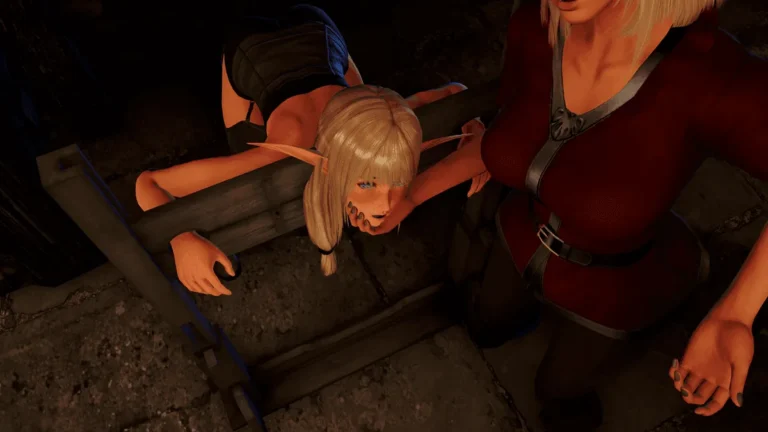
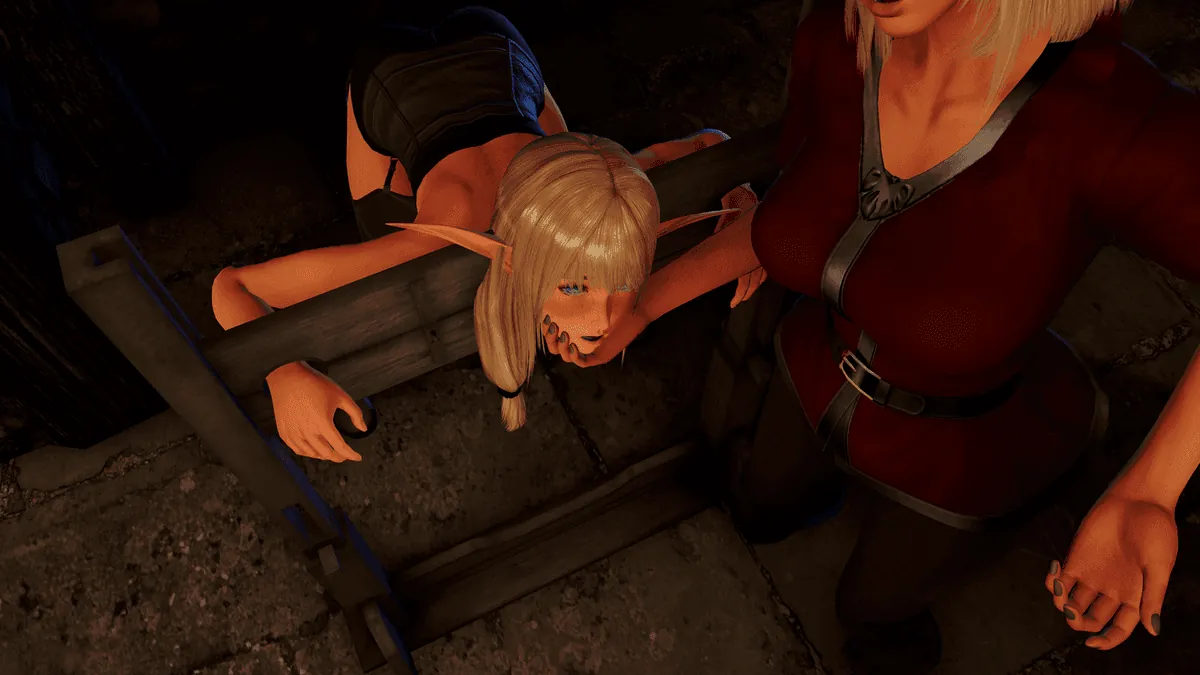
But the family is bigger than just Naomi. Through updates and community mods (which the game supports wonderfully), the cast has expanded to include other fascinating personalities. Think of the obedient maid, whose subservience might hide her own complex desires, or the elegant elf-like figure, whose longevity offers a different perspective on the House’s chaos. Each character has a unique relationship arc that progresses based on your choices and attention.
A quick case study: Progressing a relationship with a character like Naomi isn’t about grinding a “like” meter. It’s about consistent, mindful interaction. Choose dialogue options that show you’re listening. Follow up on their personal stories in subsequent conversations. Bring them items that resonate with their hinted-at past. The game tracks nuance, not just volume, making every positive step feel earned and meaningful.
To help you keep this vibrant cast straight, here’s a breakdown of some core personalities you’ll encounter:
| Name | Role / Key Traits | Unlock / Deepen Relationship Tip |
|---|---|---|
| Naomi | The Central Witch Companion; guarded, powerful, carrying the weight of her bloodline. | Prioritize story conversations about her past. Show consistent trust and offer support during magical trials. |
| The Obedient Maid | Service-oriented caretaker; meticulous, attentive, with hidden depths beneath her protocol. | Engage with her daily routines. Notice small changes in her service and acknowledge her efforts personally. |
| Elvish Companion (Mod) | Ancient, mystical observer; graceful, knowledgeable, with a long-view perspective on events. | Ask philosophical questions about the House. Value her wisdom and share discoveries about ancient magics. |
Evolution from Early Builds to Now
One of the most exciting aspects of A House in the Rift has been watching it grow. This isn’t a static product; it’s a living project that has evolved dramatically thanks to both developer vision and passionate community feedback. This journey is a huge part of what makes the game special today.
In the early days, the focus was on establishing the core vibe: the mysterious House, the initial magic systems, and the first character dynamics. Even then, the potential for incredible A House in the Rift world building was clear. But as players dove in, their feedback became a crucial part of the recipe. I recall discussions in earlier builds about character designs, including details like Naomi’s features, where the developer was actively listening. This collaborative spirit shaped the game into something that resonates deeply with its audience.
A developer once shared in an update note: “Player feedback is our best compass. When you point out that a detail feels off or a system could be more intuitive, it helps us refine the world to feel more authentic for everyone.” This ethos explains a lot about the game’s positive evolution.
This leads us to the incredible depth of modern versions like 0.8.06r1. The introduction of specialized modes like New Plaything and Obedient Maid (with commands like onaleash and myelvishmaid) aren’t just added features; they’re narrative tools. They allow players to explore specific dynamics and power structures within the House, adding another layer of role-playing and personalization. These are definitive entries on the list of best A House in the Rift features, giving you unprecedented control over the type of story you want to experience.
Practical advice on appreciating this art progression: If you’re new, enjoy the polished experience you have! But for long-time fans, take a moment to reflect on how far systems have come. Revisit early areas and notice the enhanced lighting, more fluid animations, and deeper dialogue trees. This evolution is a testament to a development process that cares about the final experience. The A House in the Rift you can play today is a richer, more responsive, and infinitely more immersive world than its already-impressive earlier versions.
So, why does all this matter? Why does the narrative depth of A House in the Rift elevate it? Because it transforms interaction from transactional to emotional. You’re not collecting resources for a generic upgrade; you’re gathering specific herbs to help Naomi with a ritual that stabilizes her magic. You’re not clearing a room of objects; you’re discovering a locket that reveals a heartbreaking piece of a maid’s former life. The lore isn’t flavor text; it’s the DNA that explains why characters look, act, and feel the way they do.
In the end, A House in the Rift stands out because it respects your intelligence and rewards your curiosity. It builds a house and then fills it with a soul—a soul found in the weathered pages of its lore, the guarded eyes of Naomi, and the ever-evolving story that you help write with every choice you make. It’s an invitation not just to play a game, but to move in, explore every shadowy corner, and become part of a world that truly feels alive. 🔮🗝️
A House in the Rift has been my go-to for immersive escapes, from its rich world and characters like Naomi to smart navigation and fresh mods in version 0.8.06r1. Whether you’re mapping quests, earning in-game currency, or trying obedient maid features, it delivers endless engagement. My playthroughs taught me the joy of its evolving story—dive in, experiment with paths, and let the rift pull you deeper. Ready to explore? Grab the latest build and start your adventure today.