
Cure My Addiction
Play Cure My Addiction
Cure My Addiction Screenshots
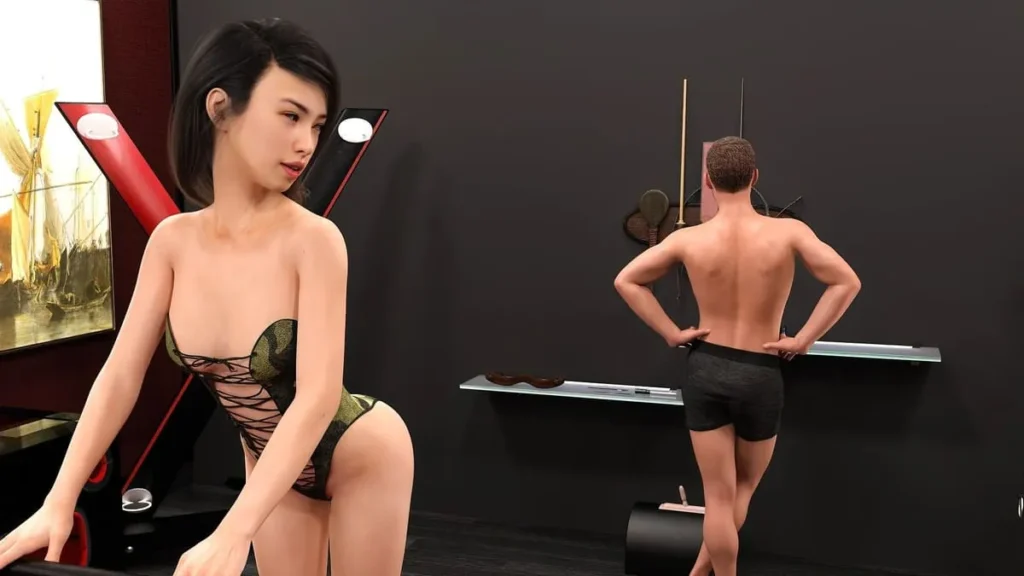



Cure My Addiction review
Master every event, unlock all scenes, and maximize your gameplay experience
Cure My Addiction is a complex adult visual novel that challenges players to navigate intricate event systems, character relationships, and progression mechanics. Whether you’re stuck on a particular event, struggling to unlock specific scenes, or simply want to optimize your gameplay experience, this comprehensive guide covers everything you need to know. From understanding the tracker system to mastering character interactions and unlocking hidden content, we’ll walk you through the essential strategies to get the most out of your gaming experience.
Understanding the Game Mechanics and Event System
Let’s be honest—the first time you open Cure My Addiction, it can feel a little overwhelming. 🎮 You’re presented with a cast of characters, a mysterious tracker full of blurred images, and a story that branches in ways you can’t yet see. I remember my first playthrough; I clicked choices based purely on gut feeling and ended up missing half the scenes for my favorite character. I was so frustrated! It felt like I needed a map.
Luckily, the game’s core systems are actually beautifully organized once you understand them. This isn’t about random luck; it’s a structured puzzle of relationships and storylines. This chapter is your map. We’re going to break down the essential gameplay mechanics guide, from the brilliant Cure My Addiction star system to the indispensable event tracker, so you can play with confidence and finally unlock all scenes you’re striving for.
How the Star System Works in Cure My Addiction
At the heart of every story event in the game lies the elegant and crucial Cure My Addiction star system. Think of each event as a mini-chapter, and the stars are the pages or key moments within it. ✨
Here’s the simple breakdown: When you trigger an event, you’ll see a row of empty stars at the top of the screen. As you make choices and progress through the dialogue and actions of that event, these stars will fill in, one by one. Each filled star corresponds directly to unlocking a specific image or scene variation within that event. It’s the game’s visual promise that you’re seeing everything that particular storyline branch has to offer.
But it’s more than just a progress bar. This system is your primary feedback loop. If you finish an event and a star is still empty, that’s the game telling you, “There’s more to see here.” You likely missed a dialogue choice, a specific favor points system interaction, or didn’t meet a hidden event prerequisite in a previous chapter. In my playthrough with Alex, I replayed the “Late Night Study” event three times before I realized I needed to have given her a specific compliment two events prior to unlock the final, heartwarming star. That “aha!” moment is what makes mastering this system so satisfying.
To help visualize how different events function, let’s look at a comparison of common event types you’ll encounter:
| Event Type | Typical Unlock Condition | Star Rewards & Structure |
|---|---|---|
| Main Story Event | Progress the core narrative; often automatic. | 3-5 stars. Unlocks critical plot scenes and character backstory. Missing stars often block major branches. |
| Character Bonding Event | Reach a certain relationship level (e.g., “Friendly” with Kai). | 2-4 stars. Focuses on personal moments. Stars are tied to empathetic or engaging dialogue choices. |
| Favor Trade Event | Spend a required amount of Favor Points with a specific character. | 1-3 stars. Stars are usually unlocked sequentially by spending more points for extended interactions. |
| Hidden/Secret Event | Complete a obscure sequence of actions or possess a rare item. | Typically 1 star. Unlocks a unique, often steamy or deeply revealing, scene. |
Mastering this star-based character progression mechanics is your first step toward total completion. It teaches you to pay attention and that every choice, no matter how small, can be a key.
Navigating the Tracker Screen and Event Organization
If the star system is the “what,” then the Tracker is the “where” and “when.” This screen is your mission control, your personal event tracker guide, and honestly, your best friend in the quest to unlock all scenes. 📋 Opening it for the first time is a bit like looking at a declassified document—some things are clear, others are tantalizingly hidden.
The Tracker brilliantly organizes all events by character and story arc. Each event is represented by a box containing its stars. The genius feature here is the spoiler control. By default, event names are hidden and any associated images are blurred until you complete that event for the first time. This means you can safely browse what’s available without ruining surprises! You can toggle this blurring on and off, but I recommend keeping it on for your first playthrough to preserve the magic.
Here’s how to use it effectively as part of your gameplay mechanics guide:
* Planning Your Route: Look at the chains of events. You’ll see lines connecting them, showing dependencies. An event with three preceding lines leading into it has three event prerequisites! The tracker doesn’t tell you what those are, but it shows you where to investigate.
* Identifying Gaps: A row of empty star outlines is a glaring invitation. It shows you have triggered an event but haven’t fully completed it. This is your cue to replay a previous save.
* Understanding Scope: Seeing all the boxes for a character like Sam helps you understand the depth of their storyline. It sets your expectations and helps you manage your favor points system spending, as you’ll know which characters have longer arcs to invest in.
My pro tip? Check the Tracker after every major story beat. It updates dynamically. A new, blurred box appearing for a character is the game’s way of whispering, “Hey, if you go talk to them now, something special might happen.” This screen turns a seemingly chaotic web of stories into a manageable, visually organized project.
Character Progression and Relationship Building
Now, let’s talk about the soul of the game: the people. The character progression mechanics in Cure My Addiction are a delicate dance of words, gifts, and attention. Unlike games with simple “like/dislike” meters, here progression is gated behind a combination of visible metrics and invisible flags. 🫂
The most tangible system is the favor points system. Think of Favor Points as a special currency of trust and rapport unique to each character. You earn them by:
* Choosing dialogue options they appreciate.
* Successfully completing their personal events (filling those stars!).
* Giving them gifts they particularly like (which you learn through conversation).
You spend these points in “Favor Trade” events, which are often gateways to more intimate or personal scenes. It’s a brilliant push-pull economy. Do you spend your 15 points with Maya now for a sweet moment, or save up for 30 points later for a scene that might be crucial to her storyline? There’s no single right answer, which is what makes the favor points system so engaging.
But points alone aren’t enough. This is where event prerequisites come in, and they form the invisible backbone of character progression mechanics. Prerequisites can be:
* Story-Based: “You must have witnessed Argument in Chapter 3.”
* Choice-Based: “You must have chosen ‘Comfort Her’ in Event ‘Rainy Day.'”
* Stat-Based: “Requires ‘Maya: Trust Level 5.'”
* Item-Based: “Must possess ‘Old Concert Ticket.'”
These prerequisites are why two players can have the same amount of Favor Points with a character but have access to completely different events. The game remembers your story path, not just your popularity score.
So, how do you build relationships effectively?
Always prioritize consistency. Characters respond better to a coherent personality from you. If you’re always sarcastic with Leo, suddenly turning heartfelt might not unlock a scene—it might confuse him! Pick a vibe for each relationship and stick with it through an arc.
Listen actively to dialogue. Characters will often hint at what they need or want. Jordan mentioning a sore back yesterday might mean a gift of a heating pad today unlocks a special thank-you scene.
Don’t try to romance everyone at once on your first go. The storylines are rich and deep. Focus on one or two characters to see their full narrative unfold, including how to unlock all scenes in their path. You’ll miss less and enjoy the journey more.
Ultimately, the Cure My Addiction star system, the Tracker, and the relationship mechanics are interconnected gears in a beautiful machine. The stars show you your immediate progress in a scene, the Tracker maps your overall journey, and your choices in building relationships fuel the entire engine. Understanding this interplay is the true key to mastering the game.
To send you off on your first (or next) playthrough, here’s a step-by-step checklist to apply everything we’ve covered:
- Start Slow: Pick one main character to focus your attention and dialogue choices on initially. 🎯
- Tracker as a Compass: Open the Tracker screen after every completed chapter to see what new events have appeared. 🔍
- Star Chaser: Before leaving any event, ensure all its stars are filled. If not, make a note (or save) to revisit later. ⭐
- Economize Favor: Be strategic with your Favor Points. Check the Tracker for upcoming “Favor Trade” events for your chosen character before spending. 💎
- Embrace Replay: Your first save is for discovery. Your second is for completion. Use multiple saves at key decision points. 💾
- Read the Room: Let character dialogue guide your gift choices and long-term conversation style for authentic progression. 🗣️
- Connect the Dots: If an event won’t unlock, re-examine the previous events in its chain for missed prerequisites—often a specific dialogue choice you overlooked. 🔗
Stick to this plan, and you’ll transform from a confused newcomer into a master of the story, unlocking every scene and discovering every secret Cure My Addiction has to offer. Happy playing! 🎭
Cure My Addiction offers a deep and intricate gameplay experience that rewards careful planning and thorough exploration. By understanding the star system, managing your relationships strategically, and following the detailed event walkthroughs provided in this guide, you’ll be able to unlock all content and maximize your enjoyment of the game. Remember that each playthrough can be different based on your choices, so don’t hesitate to experiment with different approaches. Use the tracker system to your advantage, pay attention to event prerequisites, and take your time experiencing everything the game has to offer. Whether you’re a newcomer or a seasoned player, these strategies will help you navigate the game’s complex systems with confidence and discover all the hidden content waiting to be unlocked.