Demons of the Hearth
Play Demons of the Hearth
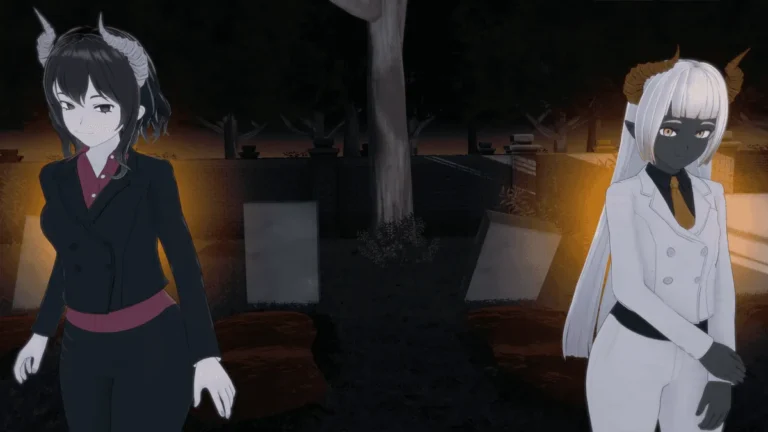
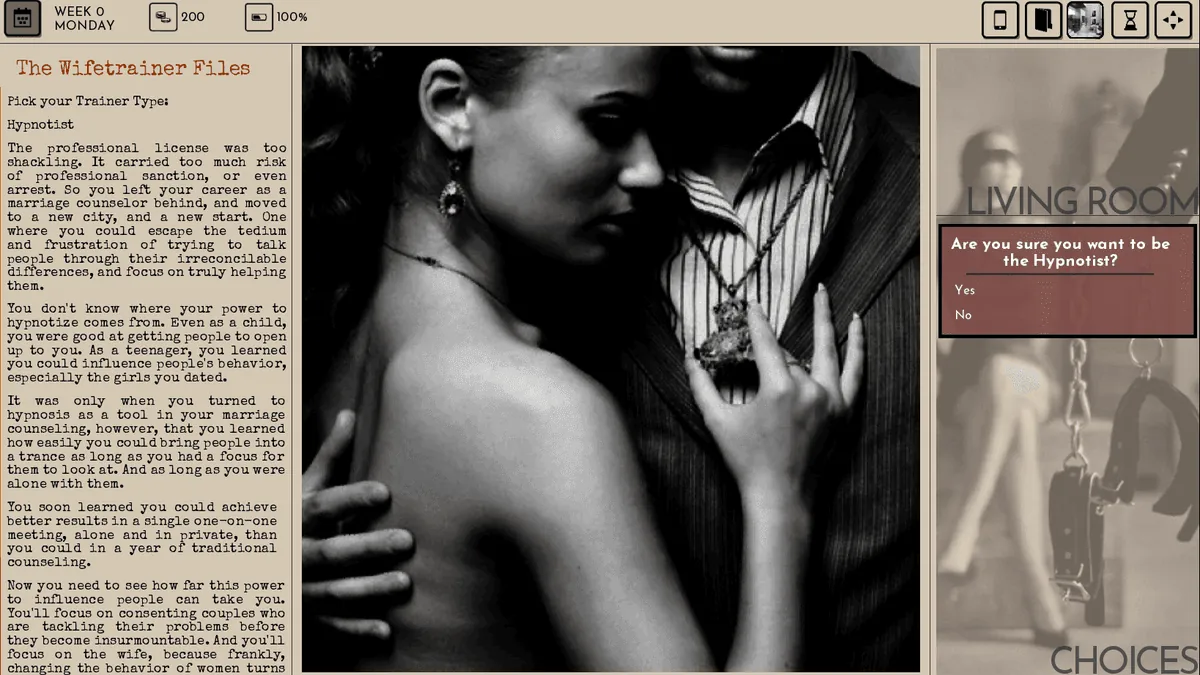
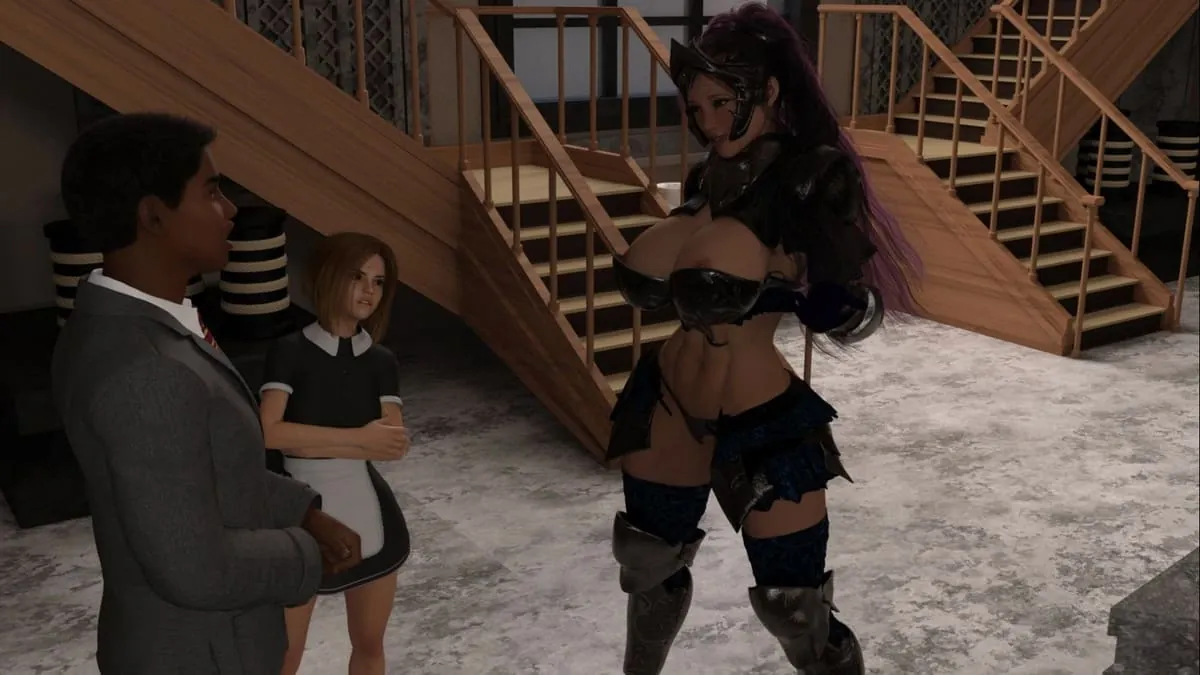
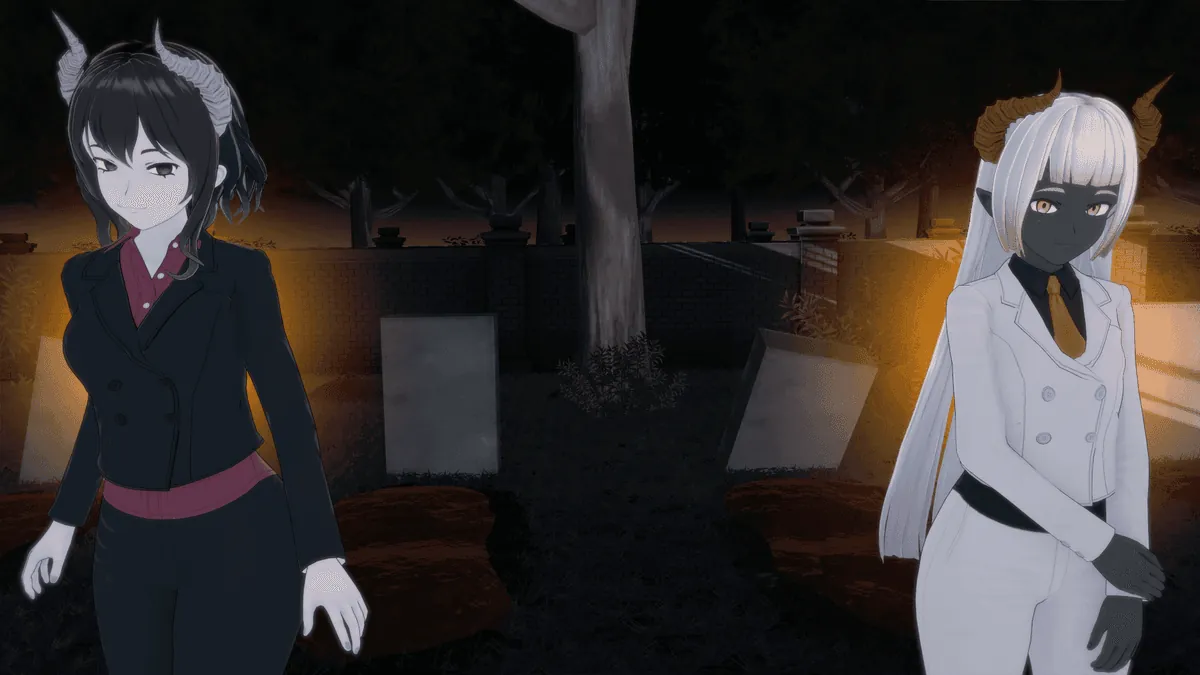
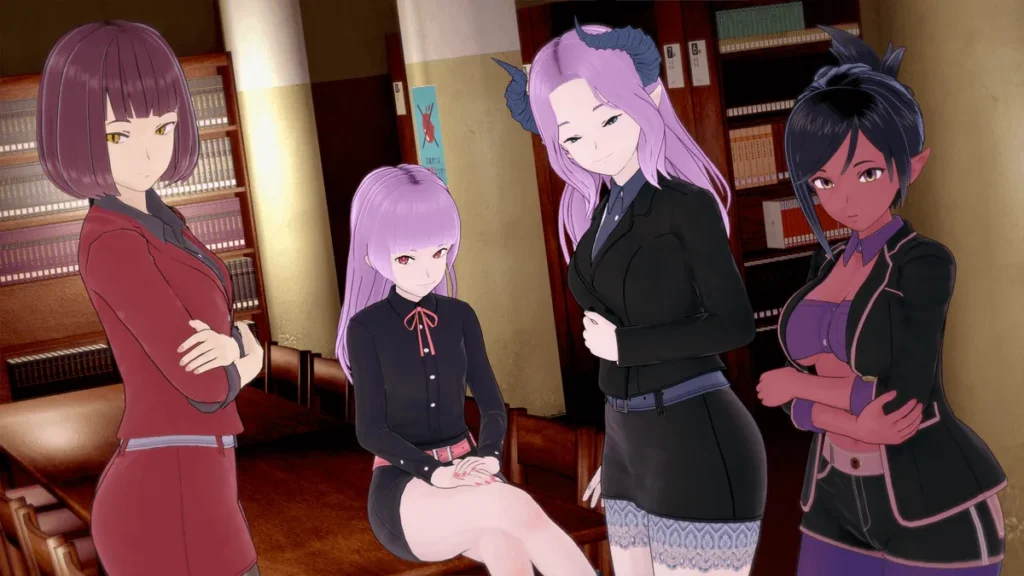
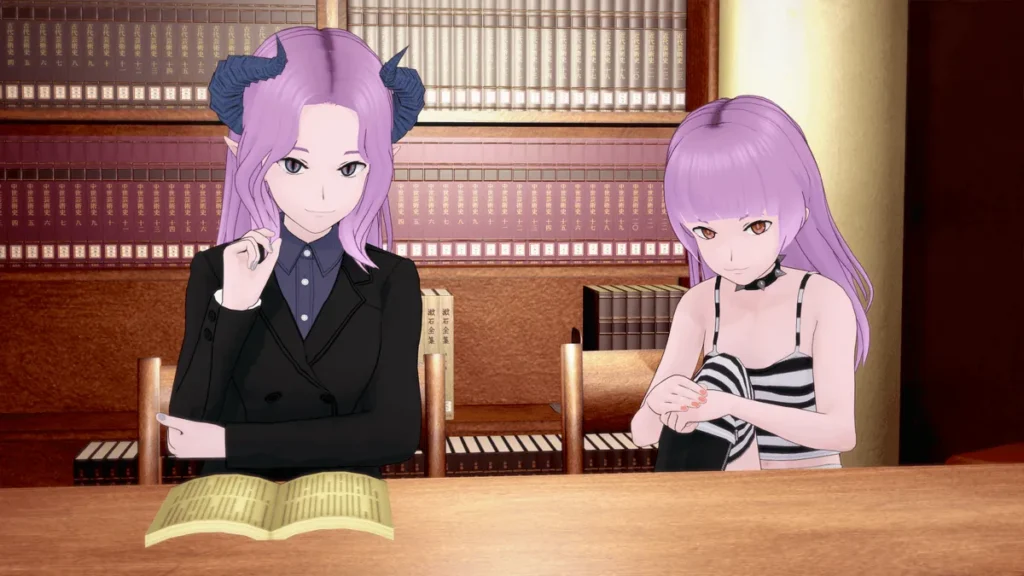
Demons of the Hearth Screenshots
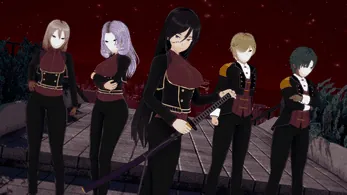



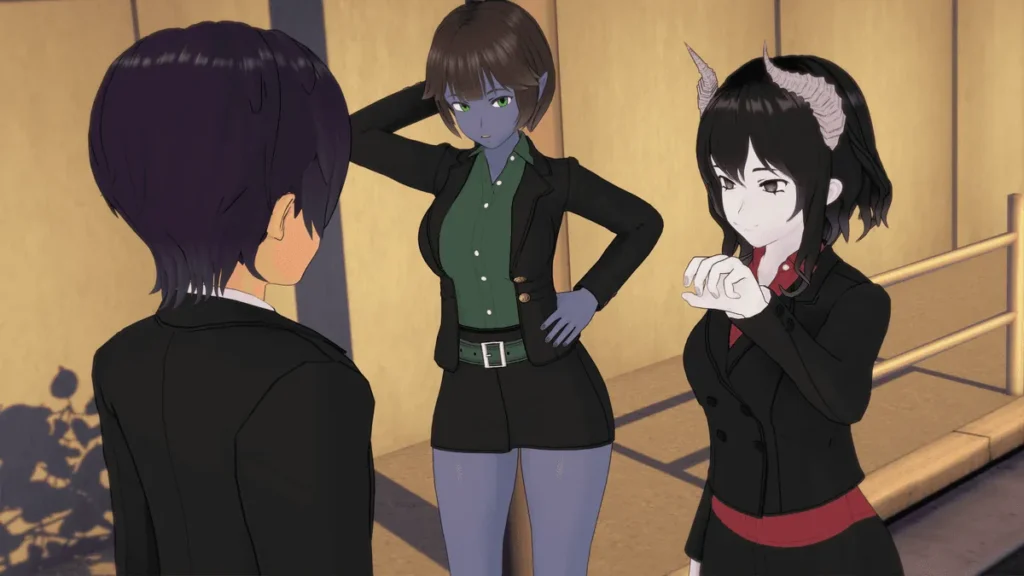
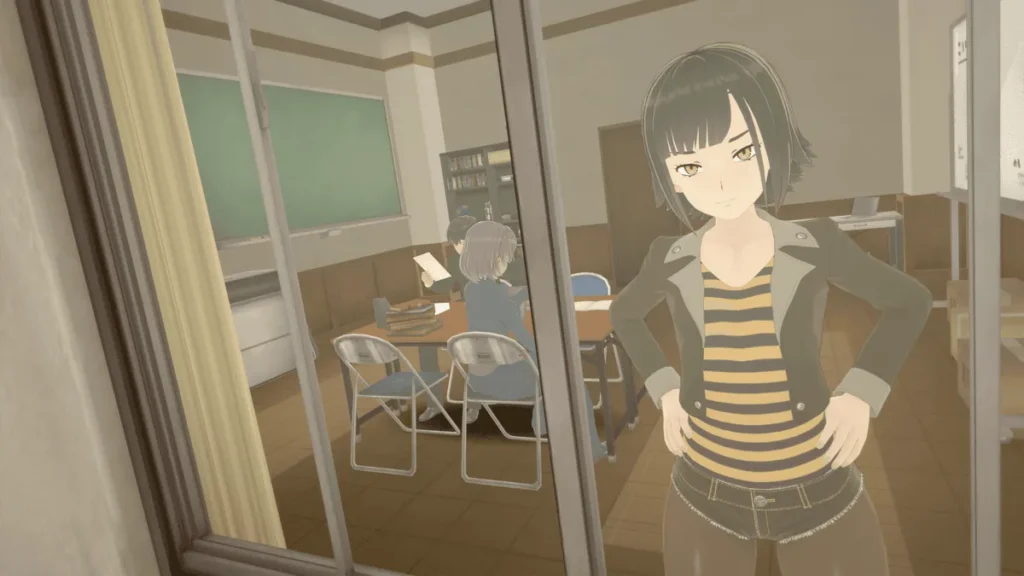




Demons of the Hearth review
Dive into Interactive Storytelling, Characters, and Intimate Twists
Ever stumbled upon a game that feels like a gripping thriller wrapped in personal drama? Demons of the Hearth hooked me from the first choice, blending deep storytelling with characters who feel like family—flawed, real, and full of secrets. As an interactive visual novel, it puts you in control of rebuilding a home amid mysteries and budding relationships. I’ve spent hours navigating its trust system and side quests, uncovering layers of emotion and intimacy. If you’re wondering what makes Demons of the Hearth stand out in the adult game scene, this guide shares my journey, tips, and why it’s worth your time.
What Makes Demons of the Hearth So Addictive?
It was the screenshots that got me first. Not epic battles or fantastical landscapes, but a quiet, rain-slicked street at dusk, and the warm, ominous glow of a fireplace in a cluttered living room. I thought I was downloading a cozy life sim—a little family drama, a bit of home renovation. A few hours later, I was leaning forward, my heart doing a nervous tap-dance, because Aunt Margaret had just smiled at me in a way that didn’t reach her eyes, and I was sure I’d seen a shadow move in the hallway behind her. That’s the brilliant, deceptive magic of Demons of the Hearth. It lures you in with the mundane and then quietly slips a knife of suspense into your ribs. 😅
I was instantly hooked. The Demons of the Hearth story isn’t just something you watch; it’s a fragile web you walk through, feeling every strand tremble with your choices. This isn’t about saving the world from a dark lord; it’s about figuring out if your charming neighbor is a potential serial killer while you argue with your cousin about fixing the leaky roof. And at the center of it all is a trust system that makes every single interaction feel perilously, deliciously consequential.
Unpacking the Core Storyline and Worldbuilding 🏚️✨
The premise is elegantly simple, which makes the descent into complexity so powerful. You inherit a large, somewhat dilapidated family home in a seemingly quiet provincial town. Your goal? Reconnect with estranged relatives, befriend (or wary-of) the neighbors, and rebuild your family’s legacy. Sounds wholesome, right? That’s the first layer.
The Demons of the Hearth gameplay genius lies in its worldbuilding. The town isn’t filled with fantasy creatures, but with people who have secrets, grudges, and deeply hidden agendas. The “demons” are metaphorical—the skeletons in the family closet, the unsolved local mysteries, the quiet despair and hidden violence simmering beneath polite small-talk. The setting shifts from comforting to claustrophobic in a heartbeat. One moment you’re sharing a pot of tea, the next you’re noticing a strange symbol etched into the floorboards you just uncovered, or hearing a cryptic argument through a closed door.
This is interactive storytelling Demons of the Hearth at its finest. You’re not unlocking cutscenes; you’re living the mystery. The story unfolds through hundreds of tiny moments: a character hesitating before answering a question, an object that appears in a room where it wasn’t before, a news bulletin on the old radio hinting at a missing person. The environment itself is a narrator. Paying attention to the world—the change in a character’s routine, the new book on their shelf, the locked drawer that wasn’t locked yesterday—is as important as any dialogue choice. It creates a constant, low-grade tension that makes the Demons of the Hearth experience utterly immersive. You’re not just playing a thriller; you’re nervously living inside one.
How the Trust System Drives Every Decision ⚖️🤝
Forget simplistic morality meters. The trust system Demons of the Hearth uses is the true engine of the game, and it’s a masterclass in nuanced design. Every character has a multi-faceted relationship with you, and it doesn’t grow in a straight line. Think of it less as a “like/dislike” bar and more as a shifting landscape of affinity, suspicion, familiarity, and debt.
Here’s how it works: Agreeing with someone might build Rapport, but blindly agreeing with everything could lower their Respect for you. Standing your ground in a disagreement might build Respect while harming Rapport. Sometimes, doing a favor creates Obligation, which is a powerful, but potentially risky, currency. This system makes every conversation a fascinating puzzle.
I learned this the hard way. Early on, my cousin Leo asked to borrow a significant sum to “settle a debt.” Wanting to be the helpful heir, I agreed, building huge Obligation. Later, when I needed his help to access the old storm cellar, he refused—not out of dislike, but because calling in that Obligation felt too costly for him. My “helpful” choice had actually locked me out of a story branch until I repaired our Rapport another way.
This non-linear growth is key to Demons of the Hearth progression. You don’t “max out” a character to see their content. Instead, specific story events and revelations are gated behind unique combinations of these trust facets. To uncover a character’s secret, you might need high Rapport but also a certain level of Suspicion (they trust you enough to confess, but you’ve been clever enough to make them think you’re already onto them). It means there are countless ways relationships can evolve, and no single playstyle unlocks everything. The trust system ensures your Demons of the Hearth gameplay is uniquely yours, filled with unexpected alliances and heartbreaking betrayals you directly authored.
Sandbox Mode: Freedom or Clever Progression Trap? 🗺️🔓
This is where many players, myself included, hit our first beautiful wall. Demons of the Hearth presents itself as a sandbox mode. You wake up, you can go anywhere in town, talk to anyone, poke around any unlocked room of the house. It feels wonderfully free and open. But then, you hit a point where nothing new seems to happen. You’ve talked to everyone, examined everything, and the story grinds to a halt. Is it a bug? Is your save broken?
No. It’s a brilliantly designed progression trap. The sandbox mode Demons of the Hearth offers is an illusion of pure freedom, but it’s actually a delicate stage play waiting for the right actors to be in the right place, with the right relationships, at the right time. The game won’t hand-hold you with a quest marker saying “Go here to advance plot.” It expects you to understand the rules of its world.
The key is that major story beats require very specific states to be triggered. The game’s Demons of the Hearth progression is hidden behind these conditions. This is where knowing how to progress Demons of the Hearth becomes a critical skill.
For example, a crucial revelation about the family’s past might only trigger if:
1. It’s Daytime.
2. You are in the Hearth (Main Living Room).
3. Your trust with Character A has Rapport > 70.
4. You have completed the side event “The Missing Heirloom” with Character B.
5. Character C is not present in the location.
If any one of these conditions isn’t met, the world just continues in its quiet, ominous routine. The game won’t tell you this. You have to experiment, pay attention to dialogue hints, and sometimes, just try different combinations.
Here’s a practical table to help you navigate this elegant maze:
| Tip | Location / Action Trigger | Common Requirement Often Missed |
|---|---|---|
| Stuck in the main house plot? | Try spending time at the Hearth during different times of day. | Many key memories only surface during Daytime at the Hearth with specific characters present. |
| Can’t advance a character’s personal story? | Visit their home or usual hangout spot. | You may need to have first completed an unrelated side event for another townsperson to change the gossip cycle. |
| Need to raise a specific trust facet (like Respect)? | Engage in activities related to that character’s interests. | Disagree with them politely but firmly on topics they care about; blind agreement often builds only Rapport. |
| Looking for hidden objects or clues? | Re-examine rooms after major story events. | The state of the environment updates based on your progression and trust levels. A once-empty shelf may now hold a clue. |
| The town feels “empty” of events. | Check the main menu’s “Recent Moments” log. | It often contains subtle hints about which character’s story is currently “active” and might need your attention elsewhere to proceed. |
The sandbox mode isn’t a trap—it’s an invitation to be a detective in the truest sense. The satisfaction of finally triggering a long-awaited scene because you meticulously put all the pieces in place is unmatched. It makes the world feel alive, independent, and governed by its own logic, not yours.
This intricate design is what fuels the game’s incredible replayability. My story, where I grew suspicious of Uncle Arthur and allied with the reclusive librarian to uncover a property fraud scheme, was entirely different from my friend’s, who trusted Arthur implicitly and was instead drawn into a chilling mystery with the quiet florist. Every branch of the Demons of the Hearth story feels valid, personal, and packed with its own intimate twists.
So, if you find yourself wandering the rainy streets, feeling stuck, remember: the game is listening. It’s waiting for you to create the right conditions. Pay attention to the rhythms of the house and the people. Your next breakthrough is likely hidden in a detail you’ve overlooked, a conversation you haven’t had at the right time, or a trust facet you’ve neglected to nurture. That moment of discovery, when the pieces click and the story surges forward again, is the addictive heart of Demons of the Hearth.
Final Personal Insights & Tips to Avoid Getting Stuck:
* If the main plot halts, focus on deepening bonds with just one or two characters. Their personal stories often unlock the next main beat.
* No new events? Check in with female family members first. Their storylines are often deeply interwoven with the house’s core secrets and can act as catalysts. 👩🦳
* Time of day is CRUCIAL. If you’ve only been playing one in-game schedule (e.g., always morning), switch it up. Major revelations have their preferred hours.
* Don’t reload a save just because a conversation went badly. Some of the most fascinating story branches come from damaged trust and misunderstandings. Live with your choices—the game is designed to make every path compelling. 💔➡️✨
Demons of the Hearth isn’t just a game—it’s an emotional rollercoaster of choices, bonds, and surprises that kept me up late chasing every path. From the trust-driven characters like Rhys to those pulse-racing side quests, it delivers storytelling that rivals top thrillers with intimate depth. My tip? Dive in, experiment with routes, and savor the sandbox reveals. Ready to rebuild that hearth and uncover its demons? Grab it on itch.io today and let the interactions pull you in—I promise you won’t regret it.