Heart Problems
Play Heart Problems
Heart Problems Screenshots














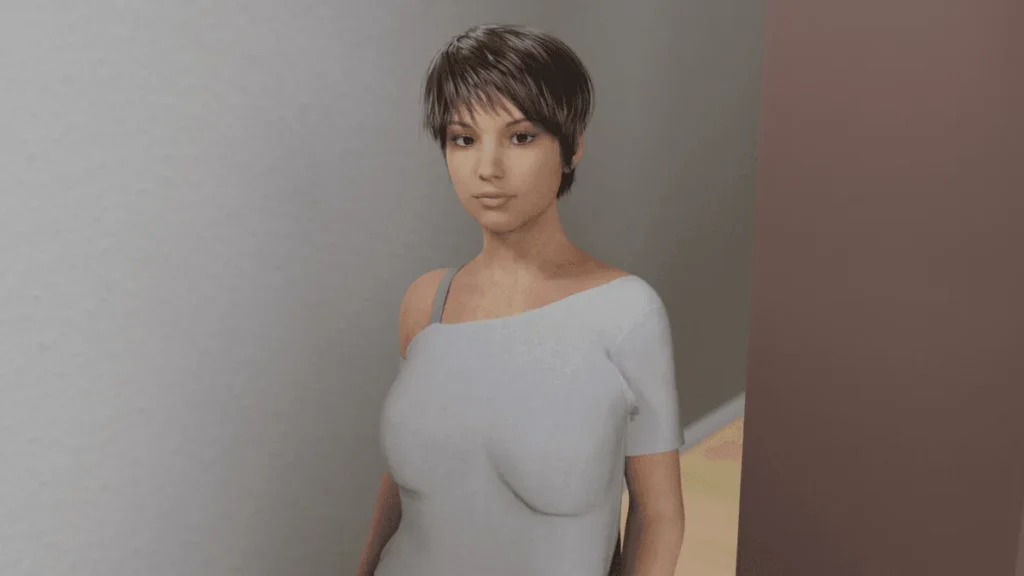

Heart Problems review
A Deep Dive Into the Immersive Adult Visual Novel Experience
Heart Problems stands out as a distinctive adult visual novel that transcends typical genre conventions by blending emotional storytelling with interactive gameplay. Developed by Xenorav, this immersive experience centers on protagonist Iker, a young man navigating complex family relationships while grappling with abandonment trauma. Unlike conventional adult games that prioritize surface-level content, Heart Problems delivers a slow-burn narrative that explores intimacy as vulnerability and connection. The game combines branching dialogue systems, relationship mechanics, and emotional consequence engines to create a personalized journey for each player. Whether you’re drawn to narrative depth, character development, or the intricate balance between emotional weight and mature content, Heart Problems offers a compelling experience that resonates long after gameplay concludes.
Understanding Heart Problems: Plot, Characters & Narrative Foundation
Let’s be honest—when you hear “adult visual novel,” your mind might jump to a certain set of expectations. Quick flings, shallow plots, and content that feels… tacked on. I know mine did. But then I played Heart Problems, and let me tell you, it completely rewired my brain about what this genre can be. 🤯 It’s not just a game; it’s an emotional excavation. At its core, the Heart Problems game story is a masterclass in slow-burn, character-driven drama that uses its mature elements not as a crutch, but as a powerful narrative tool. If you’re tired of stories that treat characters like props, this deep dive into the life of Iker is your antidote.
This chapter is all about peeling back the layers of this incredible narrative. We’re going to explore the foundation of it all: the poignant plot, the beautifully flawed characters, and the themes that will stick with you long after you close the game. Forget everything you think you know about the genre. This is something different.
The Central Story: Iker’s Journey and Family Dynamics
The Heart Problems game story begins with a wound that never fully healed: abandonment. You step into the worn-out shoes of Iker, a young man whose life was upended in early adolescence when his biological mother simply vanished. 😔 This isn’t a vague backstory; it’s the active, throbbing heart of his entire existence. The trauma of being left behind has shaped him into someone emotionally guarded, wrestling with trust issues and a deep-seated fear of being left again.
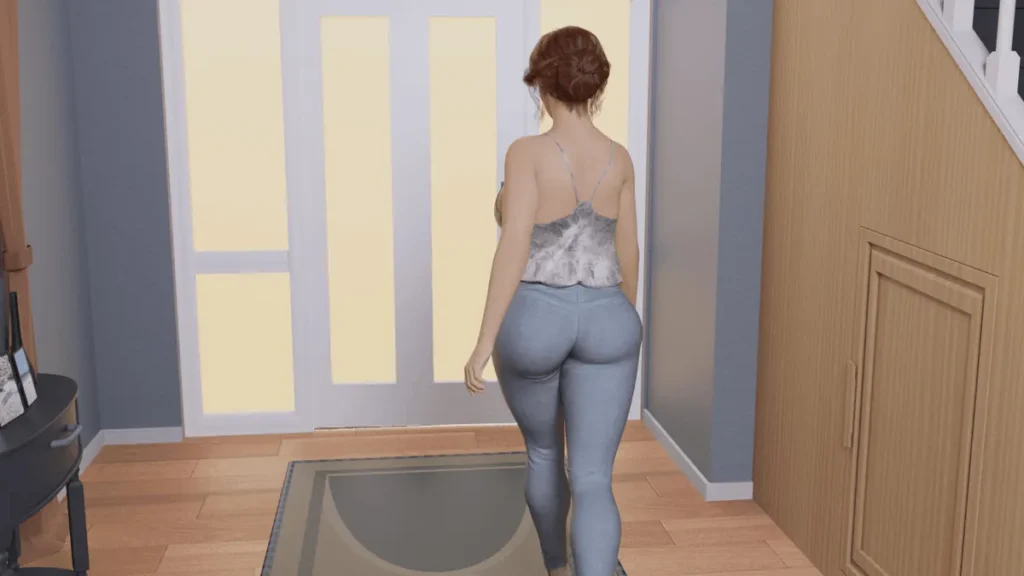
Luckily, he wasn’t cast adrift. His uncle Davie stepped in, becoming his guardian and offering a stable, if complicated, new home. This is where the genius of the adult visual novel narrative truly takes root. The story isn’t about epic battles or saving the world; it’s about the quiet, often messy, work of rebuilding a life within the framework of a new family. You move into Davie’s home, which includes his wife, your Aunt Kath, and your two cousins—each a world of complexity unto themselves.
The gameplay is built on this family relationships gameplay. Your daily interactions—helping around the house, sharing meals, watching TV, those late-night kitchen encounters—are the primary verbs. Through these seemingly ordinary moments, you slowly chip away at the walls between you and your new family. Will you be the withdrawn, sullen young man forever marked by his past? Or will you tentatively reach out, risking hurt for a chance at real connection? This is the central tension, and every choice you make feeds into it.
The narrative is a deliberate, luxurious slow burn. The game has the confidence to let scenes breathe, to focus on a loaded glance across the dinner table or an awkward silence that speaks volumes. This pacing allows the emotional storytelling mechanics to work their magic, making you feel the weight of history in every interaction. The mystery of his mother’s disappearance simmers in the background, a ghost that haunts certain conversations and casts long shadows, but the immediate story is about learning to live with that ghost, and with the living, breathing people right in front of you.
Character Development and Relationship Complexity
If the plot is the skeleton, the characters are the soul. And Iker protagonist character is one of the most authentically written leads I’ve encountered. He’s not a blank slate or a power fantasy. He’s a realistically bruised young man, and his development is entirely in your hands. The game’s character development visual novel systems are intricately tied to your dialogue choices and actions. Will you open up to your uncle about your fears? Will you offer your cousin a sympathetic ear, or retreat into sarcasm? Each decision subtly shifts Iker’s personality, influencing not just how others see him, but how he sees himself.
This depth extends to the entire cast. They aren’t mere love interests or archetypes; they are individuals with their own histories, insecurities, and evolving relationships with you and with each other.
- Uncle Davie: The weary but kind anchor. His relationship with you is a blend of paternal duty, guilt over his sister’s actions, and a genuine desire to connect, often expressed through clumsy, well-intentioned efforts.
- Aunt Kath: Initially, she can seem reserved or even cold, a barrier to full acceptance. But her story is one of the game’s most nuanced, exploring her own fears about your presence disrupting her family’s delicate equilibrium.
- Your Cousins: Each represents a different path to connection. One might be a confidante, a partner-in-crime in navigating family tension. Another relationship might evolve with more complex, charged emotions, blurring the lines of familial bonds in ways that the story handles with remarkable care and consequence.
What sets Heart Problems apart is how it integrates its mature content. It’s never gratuitous. Instead, intimacy is portrayed as another form of communication—a vulnerable, complicated, and sometimes messy extension of the deepening relationships you’re building. It’s a part of the character development visual novel journey, not the destination.
To see just how different this approach is, let’s break it down:
| Narrative Element | Traditional Adult Games | Heart Problems |
|---|---|---|
| Primary Focus | Event-driven scenarios leading to intimate content. | Character-driven drama where relationships are the core, with intimacy as a potential narrative outcome. |
| Relationship Depth | Often superficial, focused on physical attraction or conquest. | Layered, slow-building connections rooted in shared history, emotional support, and personal conflict. |
| Mature Content Integration | Frequently feels segmented or “reward-based,” separate from the main story. | Seamlessly woven into the narrative as a natural extension of character and plot development. |
| Player Agency | Choices often lead to different scenes or “endings” with a specific character. | Choices shape Iker’s personality, affect multiple inter-familial relationships simultaneously, and alter the story’s emotional trajectory. |
This table isn’t just theory—it’s the lived experience of playing. The game makes you feel like you’re navigating a real family, with all its unspoken rules and fragile dynamics.
Themes of Abandonment, Belonging, and Emotional Growth
The abandonment theme interactive story is the dark soil from which everything else grows. Iker’s entire emotional logic is filtered through this primal loss. The game doesn’t just state this; it makes you feel it. You’ll notice how he might misinterpret a cousin’s bad mood as a personal rejection, or how he hesitates to get too comfortable, as if waiting for the other shoe to drop. 🥀 This isn’t just his story; it becomes your lens for understanding the world of the game.
But from that soil blooms the game’s most powerful theme: the search for belonging. This is the active counterpoint to the passive experience of abandonment. Every conversation, every shared joke, every moment of tension is a step on the path toward answering the haunting question: “Do I have a place here?” The family relationships gameplay is the mechanic through which you actively construct that sense of belonging, brick by emotional brick.
This journey is where the emotional storytelling mechanics truly shine. The game uses a brilliant branching system where a single choice can have ripple effects across the entire household. Let me give you a concrete example:
The Scenario: Aunt Kath is stressed about a big work project. Over breakfast, she snaps at Uncle Davie over something trivial. The air goes cold.
Your Choice (as Iker):
A) Stay silent, look down at your plate. (Disengage/Withdraw)
B) Make a light joke to try and diffuse the tension. (Mediate/Connect)
C) Side with Davie, pointing out she’s overreacting. (Confront/Escalate)The Ripple Effects:
* Choice A reinforces Iker’s “outsider” status. Kath might later apologize to Davie privately, but the wall between her and you grows. Davie may see your silence as sullenness.
* Choice B is a risk. It could fall flat, making things more awkward. But if it lands, Kath might give you a grateful, tired smile later. Davie sees you trying to be part of the family unit. This one small moment becomes a foundational memory for future trust.
* Choice C immediately creates a faction. You bond with Davie in that moment, but at the cost of alienating Kath significantly. Her future interactions with you become frostier, and you may unlock entirely different story branches about mending that breach.
This is the magic! One dialogue option isn’t just about “romancing Character X.” It’s about defining who Iker is within this family ecosystem. It’s emotional storytelling mechanics in their purest form, making you weigh every word because you care about the emotional fallout.
Ultimately, the Heart Problems game story is about emotional growth. It’s about whether Iker can move from being defined by the abandonment theme interactive story of his past to authoring a new story of connection. The mature content, when it occurs, is framed within this growth—it’s about vulnerability, trust, and the terrifying, beautiful act of letting someone else in. The writing treats these moments with a sensitivity and narrative purpose that is frankly unparalleled in the genre.
So, if you’re looking for a game that offers quick, empty gratification, this isn’t it. But if you crave a narrative that respects your intelligence, that makes you feel invested in the quiet drama of human connection, and that showcases the incredible potential of a thoughtful adult visual novel narrative, then Heart Problems is an unmissable experience. It’s a story that stays with you, a reminder that the most challenging battles are often fought not with swords, but in the spaces between words spoken at the family dinner table.
Heart Problems represents a significant evolution in adult visual novel gaming, proving that mature content and meaningful storytelling aren’t mutually exclusive. Through its innovative gameplay mechanics—branching dialogue systems, sophisticated relationship tracking, and emotional consequence engines—the game creates a personalized experience where every choice matters. The narrative depth, character development, and willingness to explore uncomfortable emotional moments elevate it beyond typical genre offerings. With stunning graphics, a carefully curated soundtrack, and multiple story paths that encourage replayability, Heart Problems delivers hours of compelling entertainment. Whether you’re drawn to the mystery surrounding Iker’s mother’s disappearance, the complex family dynamics, or the exploration of intimacy as vulnerability, this game offers something genuinely unique. If you’re seeking an adult visual novel that respects your intelligence and emotions while delivering an unforgettable journey, Heart Problems is absolutely worth experiencing.