Love and Submission
Play Love and Submission
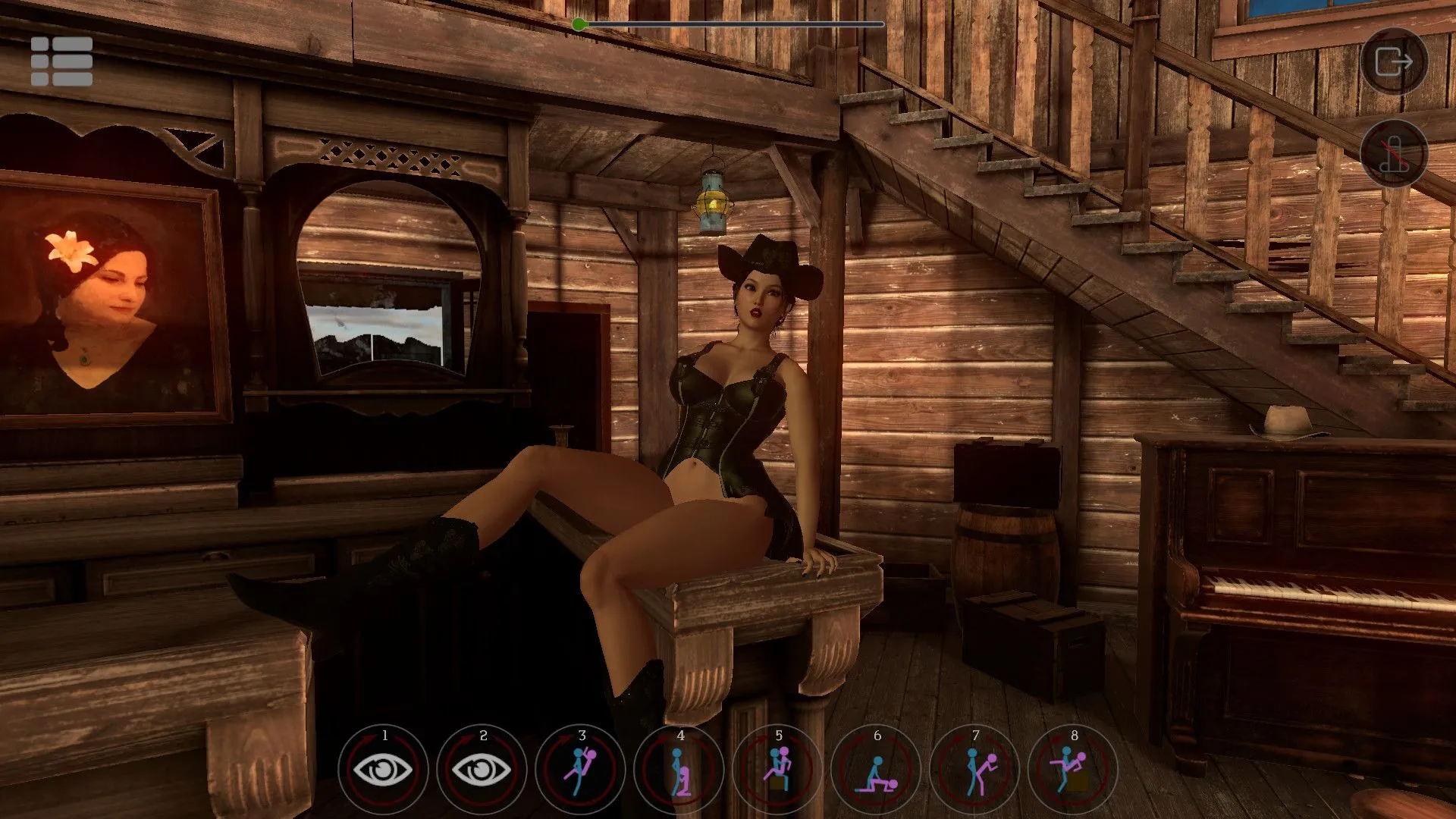
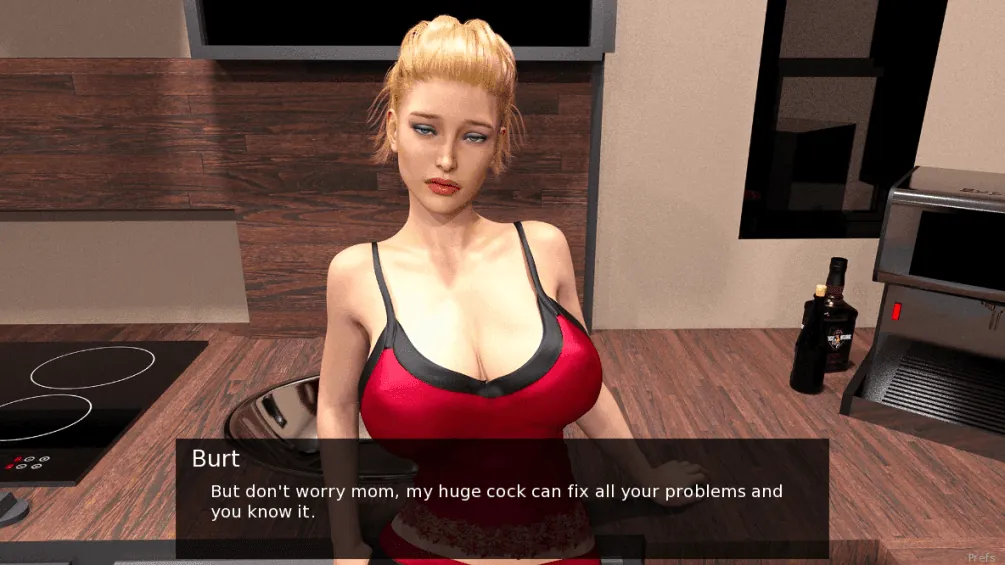
Love and Submission Screenshots













Love and Submission review
Master relationship dynamics, choices, and story paths in this narrative-driven visual novel
Love and Submission stands out as a narrative-rich interactive experience that combines deep storytelling with meaningful player choice. Developed by veqvil, this visual novel immerses you in a world where every decision shapes your relationships and determines your destiny. Whether you’re returning home after years away or exploring complex dynamics with multiple characters, the game offers branching paths that respond to your choices. Understanding the core mechanics—from relationship scoring to dialogue options—is essential for unlocking all the game has to offer. This guide walks you through everything you need to know to maximize your experience and discover the game’s hidden depths.
Understanding Love and Submission: Core Gameplay Mechanics
Ever stared at a screen, mouse hovering over two seemingly innocent dialogue options, your gut screaming that this choice matters more than it lets on? 😅 Welcome to Love and Submission, a game where that feeling is your constant, thrilling companion. This isn’t a story you simply watch unfold; it’s a narrative you build with every click, word, and decision. The core Love and Submission gameplay mechanics transform reading into an act of creation, where your agency is the ultimate authorial tool.
Forget everything you know about passive visual novels. Here, the visual novel relationship system is a living, breathing entity that reacts, remembers, and holds grudges. A compliment today could open a door next week, while a careless insult might slam it shut forever. 🚪 Understanding how your choices weave through the game’s intricate systems—dialogue, points, time, and emotion—is the key to mastering its rich, branching worlds. Let’s pull back the curtain.
How Dialogue Choices Shape Your Story
Think of every conversation in Love and Submission as a delicate web. Each thread you pull—each line you select—vibrates through the entire structure, altering its shape. The dialogue choices and consequences system is the engine of your unique story. There are no “skip dialogue” buttons here, because every word is potential kinetic energy.
I learned this the hard way. In one early playthrough, I met a character who was standoffish and cold. Frustrated, I matched her energy with sarcasm and impatience. It felt justified in the moment! 🤬 Weeks later in the game’s timeline, when I desperately needed her help on a critical project, she refused, coolly referencing my “hostile attitude” during our first meeting. The game had remembered. That’s the magic and the terror of it. Characters operate with persistent memory, and their reactions are built on the cumulative history of your interactions, not just your last choice.
So, what are you really choosing between? On the surface, options might seem like:
* Kind/Supportive
* Neutral/Professional
* Flirtatious/Charming
* Dominant/Demanding
* Rude/Dismissive
But beneath the text, you’re trading in currency far more valuable: trust, affection, respect, and fear. Choosing a dominant path with one character might earn their submission and loyalty, while using the same tone with another will breed resentment and rebellion. There is no universal “best” option. This philosophy is central to the Love and Submission gameplay mechanics—context is everything.
Pro Tip: Save often, and save specifically before major conversations. Create a “choice branch” save file. This lets you experiment fearlessly with dialogue choices and consequences to see where each path leads. It’s the best way to learn each character’s unique personality and triggers.
Relationship Points and Hidden Flags System
If dialogue is the spoken language of your relationships, then the relationship points system is the silent ledger keeping score. 📊 This isn’t always a visible meter (though sometimes it is), but an internal tracker for your standing with every major character. Every interaction deposits or withdraws from this emotional bank account.
But points alone are just a number. The real magic happens with hidden flags and story triggers. Think of flags as secret conditions you must meet to unlock specific scenes, story branches, or character developments. You might need:
* A relationship score above a certain threshold AND
* To have chosen a specific dialogue option in a past conversation AND
* To have completed a particular side event on a Tuesday.
These hidden flags and story triggers are what make playthroughs wildly different. You might have a “friendly” flag set with a character, while another player, through different choices, has a “romantic” or “competitive” flag active for that same person. The game’s narrative logic constantly checks these flags to decide which scene to play next.
Want to get closer to a key character? It’s about consistent, mindful action. Here’s a step-by-step guide to building those crucial connections:
- Identify Core Values: Early on, listen carefully. Does the character value honesty above all? Independence? Ambition? Tailor your major dialogue choices to reflect what they cherish.
- Be Present and Consistent: If you promise to help them with a task, follow through when the time management opportunity arises. Broken promises tank points faster than insults.
- Notice the Small Moments: Often, small, inconsequential-seeming choices (like offering a coffee or remembering a personal detail) set minor flags that make major flags possible later.
- Pay Attention to Emotional State: Your approach must adapt to their current mood (more on this below!). A supportive choice when they’re vulnerable is worth triple points than the same choice when they’re angry.
- Experiment on Different Saves: Use separate save files to test major decision points. Sometimes pursuing one character actively closes off paths with another—the relationship points system often involves opportunity cost.
Mastering this interplay between visible rapport and invisible flags is the heart of the visual novel relationship system. It’s a puzzle where the pieces are your own words and actions.
Time Management and Resource Allocation
Here’s where Love and Submission separates the casual players from the master strategists. The clock is always ticking. 🕐 Time management in Love and Submission is a core, non-negotiable mechanic. The game world progresses in days and weeks, and each day gives you a limited number of “action points” or specific time slots.
You can’t do everything. Will you:
* Spend the afternoon at the library to boost your skills?
* Go to the gym where you might run into a certain someone?
* Work a part-time job to earn crucial money?
* Rest at home to recover your energy?
This is resource allocation in its purest form. Your resources are Time, Energy, Money, and Skill Points. Choosing to pursue one character means neglecting another. Choosing to earn money might mean missing a unique, time-sensitive story event. I once spent an entire in-game week grinding for cash to buy an expensive gift, only to discover I’d missed a series of conversations that permanently altered a character’s storyline. The gift was useless; the opportunity was gone.
Time management in Love and Submission forces you to define your priorities. Are you playing a relentless go-getter, focusing on self-improvement and career? Or a social butterfly, nurturing every relationship? Your daily schedule is the canvas, and your choices are the brushstrokes. Planning a few days in advance is not just helpful—it’s essential for reaching those long-term hidden flags and story triggers.
The Living Heart: Character Emotional States
Characters in Love and Submission don’t have static personalities. They have dynamic character emotional states that color every interaction. Imagine walking up to someone who’s visibly furious and trying to flirt with them. In real life, that would backfire spectacularly. The same is true here.
These character emotional states—such as Happy, Angry, Anxious, Vulnerable, or Focused—are temporary conditions influenced by story events, your recent choices, and even the time of day. They act as a multiplier or filter for your actions. A supportive comment to a Vulnerable character can forge a deep bond. The same comment to an Angry character might be seen as patronizing and lose you points.
Understanding and responding to these states is a high-level skill. You must learn to “read the room” within the game’s visual and textual cues. The game’s sophisticated visual novel relationship system uses these states to create breathtakingly realistic interactions. Here’s how different states can change the game:
| Emotional State | Character Behavior & Availability | Effective Player Approach | Risk of Ineffective Choice |
|---|---|---|---|
| Happy / Content | Open to socializing, more receptive to new ideas or invitations. May share personal information. | Great for deepening bonds, trying light flirtation, or proposing joint activities. | Missing a chance to strengthen the relationship; coming on too strong can seem overwhelming. |
| Angry / Frustrated | Closed off, prone to arguments. Story paths requiring cooperation may be temporarily locked. | Give space, or choose calm, apologetic, or problem-solving dialogue. Sometimes silence is best. | High risk of major relationship point loss, triggering permanent negative flags like “Insensitive” or “Antagonist”. |
| Vulnerable / Sad | Seeking comfort or distraction. Defenses are down, leading to rare, intimate conversation opportunities. | Be kind and supportive. Listen. This is a golden opportunity for trust-building. | Being dismissive, joking, or dominant here can be catastrophic, potentially ending relationship paths. |
| Focused / Busy | Distracted by work or a goal. Interaction time is limited. Pragmatic. | Be efficient and helpful. Offer practical assistance or keep conversations brief and on-topic. | Wasting their time with chit-chat or emotional demands will cause irritation and point loss. |
As you can see, navigating these character emotional states is crucial. It turns the dialogue choices and consequences system from a simple personality test into a nuanced dance of social intuition. 🩰
Bringing It All Together
The true genius of Love and Submission gameplay mechanics is how these systems fuse. Your dialogue choices affect your relationship points, which can change a character’s emotional state. Their state influences what they do with their time, which changes when and where you can meet them, creating new opportunities for dialogue. Hidden flags stitch it all together into a seamless, reactive narrative.
This interconnected design means no two journeys are alike. Your story is a unique product of your priorities, your mistakes, and your empathy. It rewards observation, strategy, and sometimes, just following your heart. So dive in, make those hard choices, manage your time wisely, and read the emotions in the room. Your story—full of love, power, conflict, and submission—is waiting to be written. ✍️
Love and Submission delivers a sophisticated interactive experience that rewards thoughtful decision-making and character engagement. By mastering the relationship systems, understanding how your choices create lasting consequences, and exploring the game’s branching narratives, you unlock the full depth of what this visual novel offers. The game’s strength lies in its commitment to player agency—there are no predetermined ‘correct’ paths, only the unique story you create through your choices. Whether you’re drawn to the complex relationship dynamics, the high-quality narrative presentation, or the satisfaction of discovering hidden story elements, Love and Submission provides substantial replay value. Take time to experiment with different approaches, save before major decisions, and pay attention to character preferences. Each playthrough reveals new facets of the story and opens doors to previously undiscovered content. Dive into this immersive experience and discover why Love and Submission has captivated players seeking meaningful interactive storytelling.