The Fate of Irnia
Play The Fate of Irnia
The Fate of Irnia Screenshots
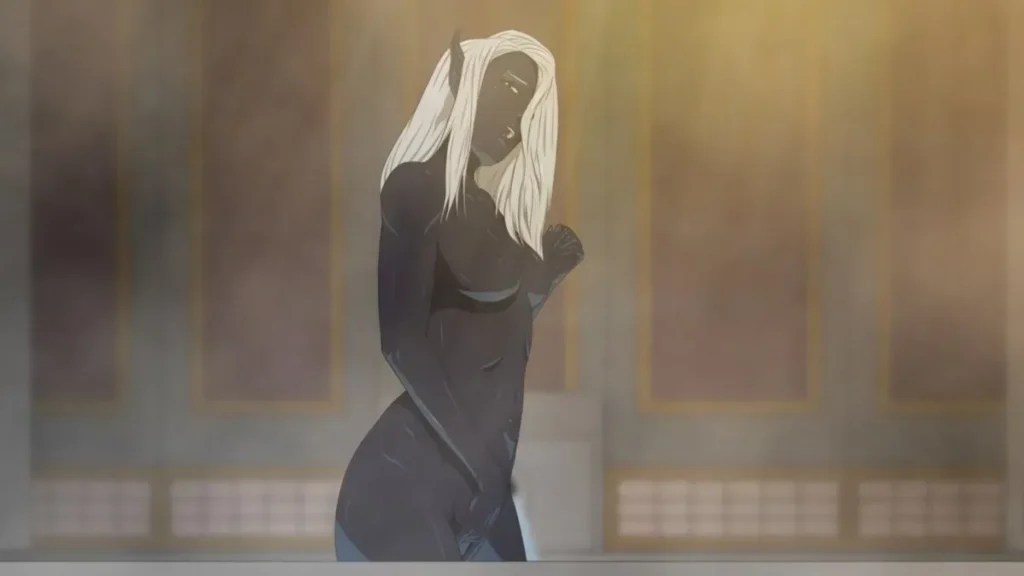
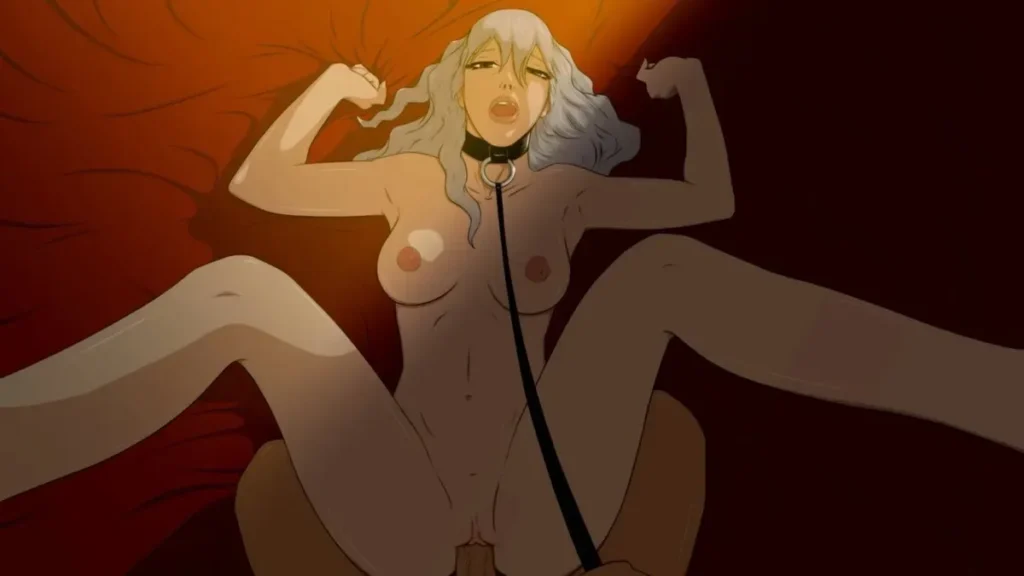
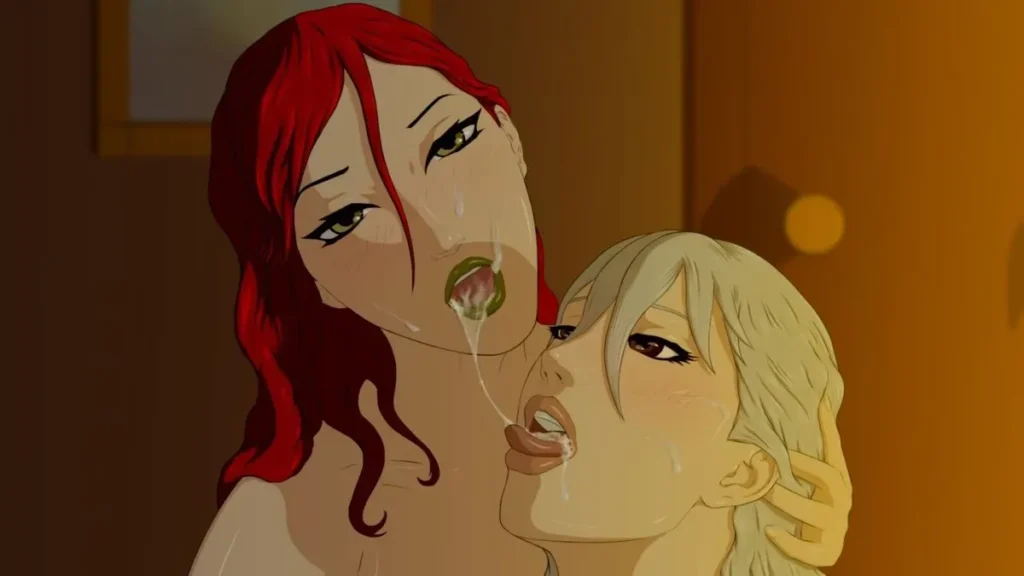

The Fate of Irnia review
Dive into a fantasy world where your decisions unlock romances, battles, and multiple endings
Imagine stepping into the shadowed kingdom of Irnia, where orc hordes loom every twelve years, and your every choice could seal its doom or salvation. The Fate of Irnia isn’t just another visual novel—it’s a gripping adventure packed with meaningful decisions, deep relationships, and tantalizing romance routes that pull you in from the first scene. I remember my first playthrough: inheriting a mysterious orb that whispers secrets, only to face death herself after a brutal ambush. That hook kept me replaying for hours, chasing every steamy path and alternate ending. If you’re craving a game where your agency shapes steamy encounters and epic fantasy, this is your next obsession. Let’s explore what makes The Fate of Irnia so addictive.
How Your Choices Shape the Fate of Irnia Story?
I was completely gutted. There I was, standing in the moonlit grove, faced with a choice that seemed so simple: intervene to stop a sinister ritual, or rush to the aid of a companion I’d grown fond of. I chose the ritual, reasoning that saving the realm was the bigger picture. Big mistake. While I thwarted a catastrophe, that companion, a sharp-tongued scholar named Kaelen, didn’t just get wounded—he felt abandoned. The next time we spoke, his dialogue was icy, formal. The unique, playful banter was gone. I’d been quietly following a romance path for hours, and with one pragmatic decision, I’d locked the door without even hearing it click. That’s the brutal, beautiful magic of The Fate of Irnia. Your decisions aren’t just flavor text; they are the architects of reality, brick by brick.
This experience taught me the first and most thrilling rule: there are no “right” answers, only your answers, and each one sends ripples through the story you’re telling. If you’ve ever wondered just how deep the rabbit hole goes, let’s dive into the mechanics that make this player agency visual novel an unforgettable experience.
Unlocking Branching Narratives and World States
The branching narrative in Irnia isn’t a few forked roads—it’s a sprawling, living neural network. Think of the world not as a set story you witness, but as a dynamic state that evolves based on your Fate of Irnia choices. Your actions determine which factions thrive, which locations are accessible, and even who sits on the throne. It’s less about picking a path and more about painting a unique landscape with every dialogue option and major decision.
For instance, early on, you might be tasked with mediating a tense border dispute. Siding with the forest-dwelling Sylvan elves could earn you their ancient magic and unlock hidden, verdant ruins brimming with lore. But if you favor the industrious Dwarven Hold, you might gain formidable allies and fortified strongholds, but the elves’ mystical pathways through the Whispering Woods will remain forever closed to you. The game remembers everything.
Here are just a few examples of how early choices can dramatically reshape your journey:
- Ally with the Arcane College: Unlocks deep magical research, powerful artifact quests, but may alienate the faith-based Temple of the Dawn.
- Spare a key antagonist: They may return as a reluctant ally or a vengeful enemy in a later chapter, completely altering a major story beat.
- Investigate a ruin personally vs. sending scouts: Finding a cryptic artifact yourself leads to a personal vision quest; sending scouts might net you the artifact safely but you’ll miss crucial, character-defining context.
This creates an incredible sense of ownership. In one playthrough, my diplomatic, alliance-building approach led to a united front against the invading Orcish hordes. In another, my ruthless, power-hungry tactics caused so much internal strife that the orcs waltzed into a fractured kingdom. The multiple endings in The Fate of Irnia aren’t just A, B, or C—they are direct, logical conclusions to the world-state you’ve meticulously built (or burned) over 20+ hours. This branching narrative Irnia is designed ensures no two stories feel the same. 🗺️➡️🌳🔥
The Orb’s Power: Hacking Minds for Advantage
So, how do you navigate this web of consequences? Enter the game’s most ingenious tool: the orb mechanic. This isn’t just a fancy UI element; it’s a literal fragment of primordial power that allows you to peer into the desires, fears, and secrets of every major character. It’s your ultimate tool for player agency.
Imagine you’re in a tense council scene. The stoic general advocates for a full-scale assault, the spymaster whispers of sabotage, and the noble priestess begs for a peaceful parley. Without the orb, you’re guessing. With it, you can subtly scan them. You might see that the general’s desire is “Prove My House’s Worth,” hinting his aggressive stance is born of pride, not strategy. The spymaster’s secret could be “Knows the Enemy Commander’s Secret Shame,” suggesting her plan has a hidden edge. The priestess’s fear? “The Death of Innocents.”
Suddenly, your choice is informed. You can use this insight to craft arguments that appeal directly to their motivations, potentially swaying the entire council to your preferred strategy. The orb mechanic game layer turns social interactions into a strategic puzzle. I once used it to discover a queen’s hidden grief over a lost sibling, and by referencing it delicately, I turned a hostile audience into a sympathetic alliance. This mechanic made me feel like a true kingmaker, not just a messenger. It’s the core of why your Fate of Irnia choices feel so weighty—you’re often making them with insider knowledge. 🧠💎✨
Pro Tip: The orb uses a resource that regenerates slowly. Use it strategically on key figures during pivotal conversations, not on every guard and bartender!
Facing High-Stakes Consequences Like the Death Curse
Now, let’s talk about the stakes. Irnia is a world where actions have lasting, sometimes terrifying, repercussions. The most famous of these is the death curse Irnia players dread. If your character falls in battle during certain pivotal encounters—not a “game over and reload,” but a narrative death—the story doesn’t end. Instead, a Death Curse is triggered.
Your spirit is bound to the realm, and you continue as a spectral force. This radically alters gameplay: you can possess weak-willed creatures to interact with the physical world, pass through walls, and gather whispers from the spirit realm. However, you can no longer directly wield weapons, feel the touch of a romantic partner, or influence those with strong wills. It’s an entirely new, challenging way to experience the branching narrative Irnia offers, leading to a unique subset of multiple endings in The Fate of Irnia reserved for those who walk this ghostly path. It’s a breathtaking example of the game’s commitment to consequence.
This philosophy applies everywhere. Let’s say you bungle a negotiation with the Orc chieftain. The consequence isn’t just a failed quest. It might mean that later, when a major city is besieged, no orcish reinforcements will arrive, leading to its destruction and the loss of every character and quest inside it. The game constantly answers the question, “what are Irnia consequences?” with tangible, world-altering results.
To give you a clearer picture, here’s a look at how some critical decisions can play out:
| Decision Point | Positive Result Pathway | Negative/Risky Result Pathway |
|---|---|---|
| How to handle a captured spy. | Recruit them with mercy; gain a loyal agent with insider knowledge for future missions. | Execute them publicly; intimidate enemies short-term, but make future enemies more desperate and less likely to surrender. |
| Where to allocate scarce resources before a siege. | Reinforce the walls; the city holds firm, saving countless civilians and your reputation. | Fund an elite strike team; the city suffers damage, but you assassinate the enemy leader, shortening the war. |
| Trust a mysterious, powerful artifact. | Use its power to heal a blighted land; unlock a blessed, fertile region as a safe haven. | The artifact’s corruption spreads; the land is saved but now festers with dark magic, creating new dangers. |
🔄 Your Replay Strategy: Because of this density, replaying is a joy, not a chore. My advice? Save often and with clear labels. On your first run, play instinctively—live with your Fate of Irnia choices and their bittersweet outcomes. For your second, use a completely different moral compass. Be a saint where you were a sinner, or a tyrant where you were a diplomat. Finally, do an “Orb Master” run, using its insight on everyone to craft the most strategically “perfect” playthrough you can. You’ll still be surprised.
The true genius of this system is that it makes you care deeply. You’re not just picking options to see content; you’re wrestling with ethics, strategy, and desire because you know what are Irnia consequences—they are permanent, profound, and deeply personal. And speaking of desire, the web of consequences grows even more intricate when hearts are on the line… but that’s a tale of passion and betrayal for our next chapter. 😉💘
The Fate of Irnia masterfully blends fantasy intrigue, heartfelt connections, and bold risks into an unforgettable journey. From wielding the orb’s seductive power to navigating orc threats and diverse romance arcs like Jenny’s warmth or Ghorza’s intensity, every playthrough crafts a personal legend. My countless replays uncovered twists I never expected, like the haunting Death encounters, proving its depth. If you’re ready to command Irnia’s destiny and indulge in its passionate rewards, grab the game now—your epic saga awaits. What path will you forge first?