
Play Treasure of Nadia
Treasure of Nadia Screenshots


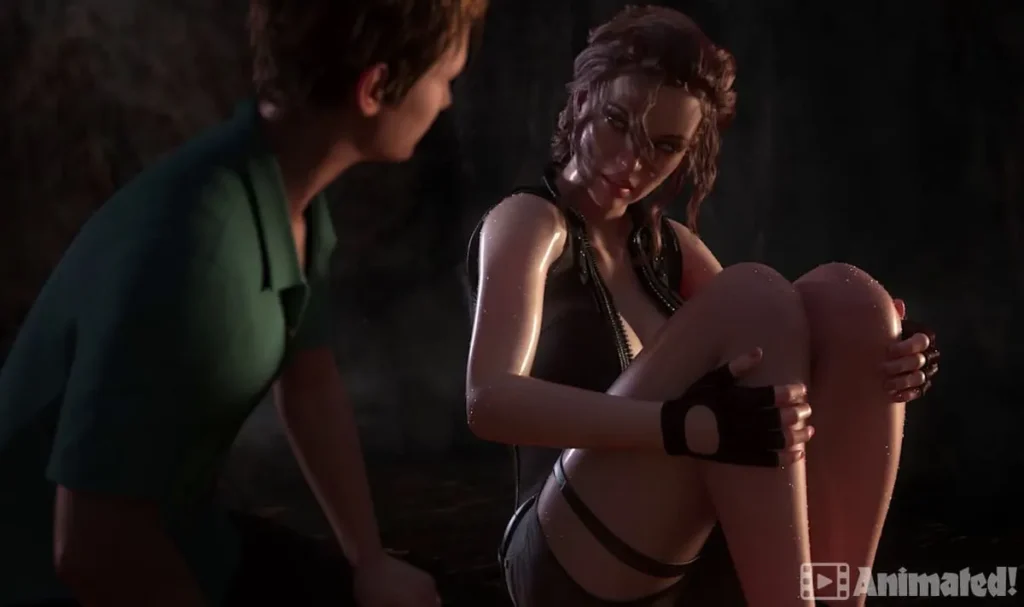

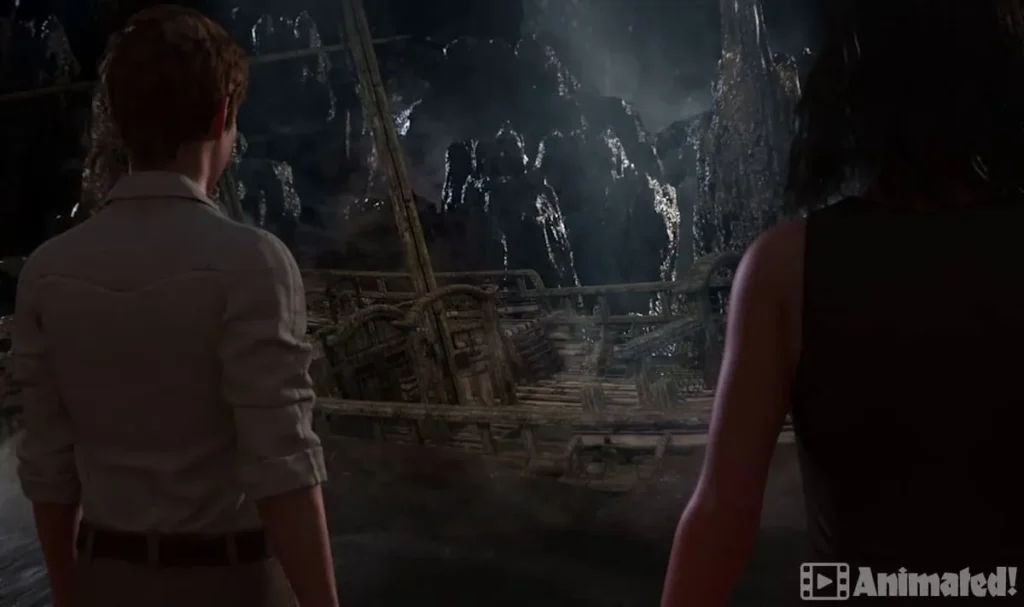

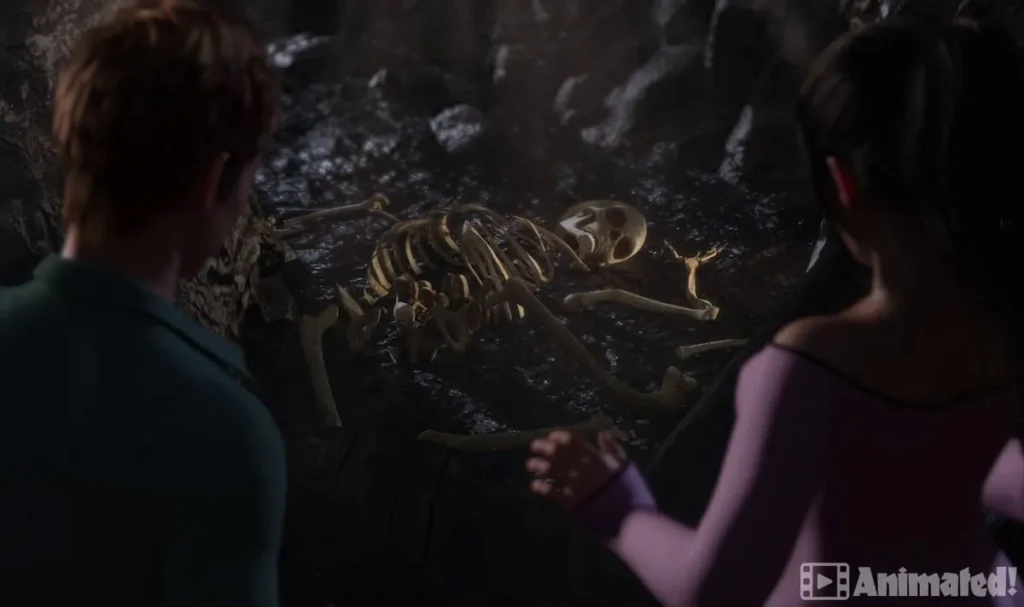


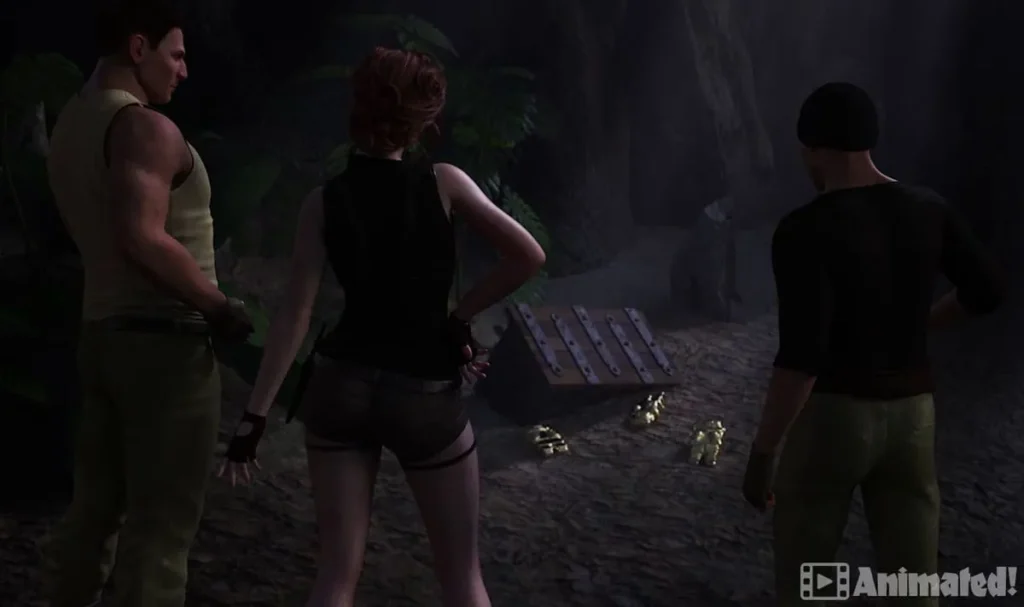








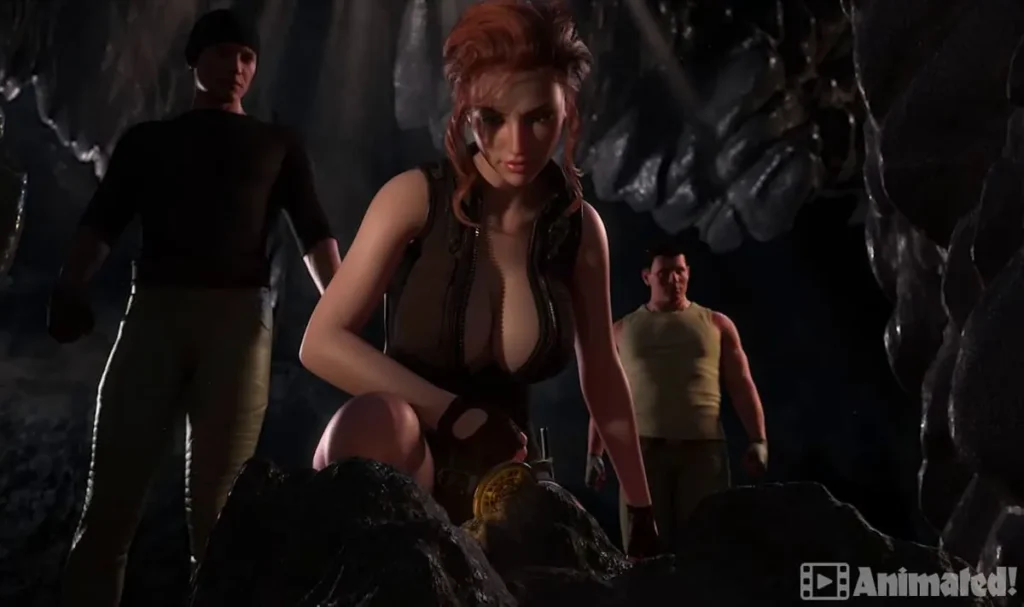
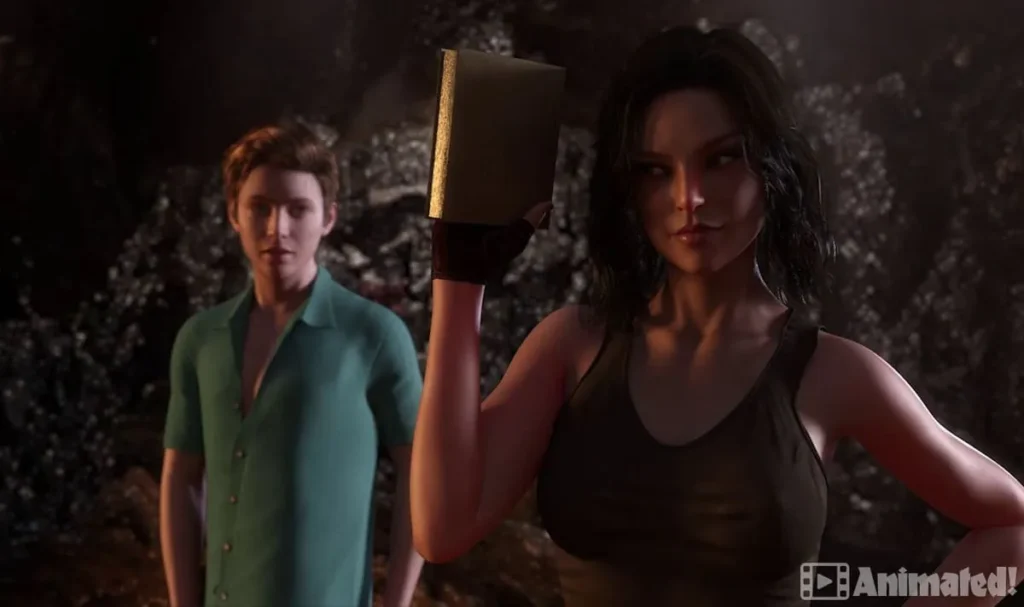
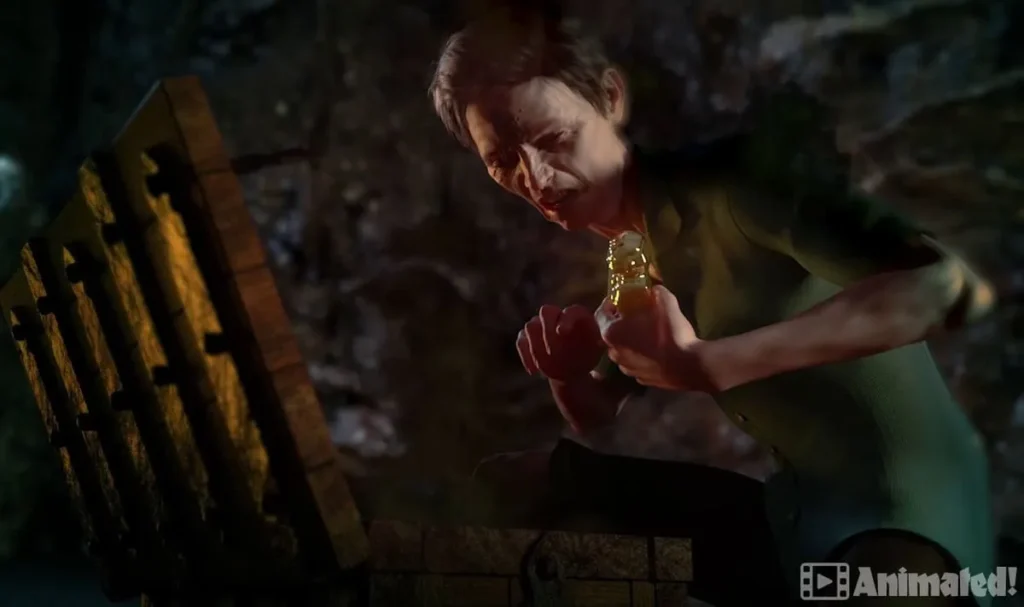




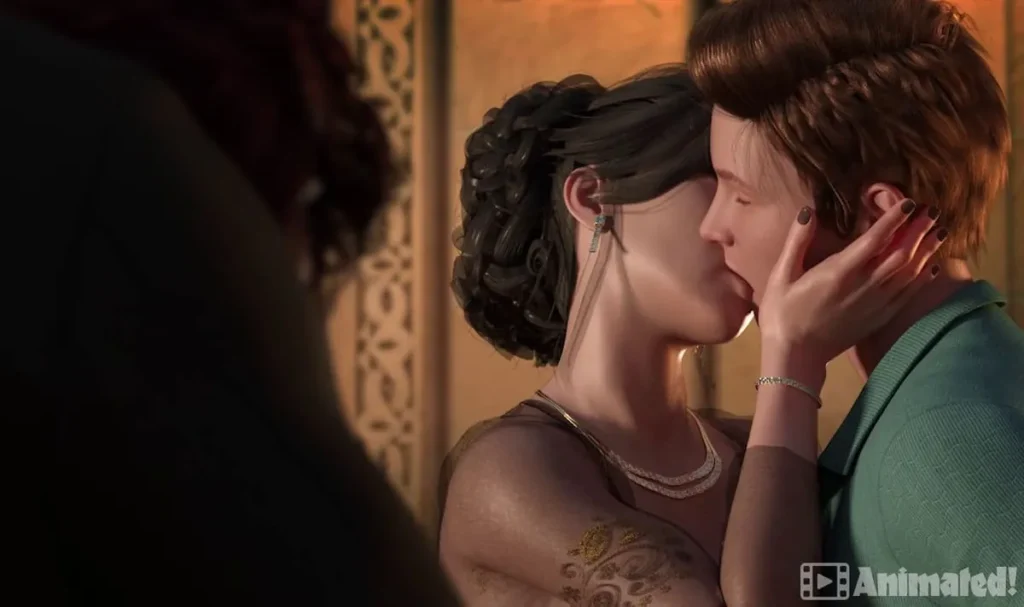
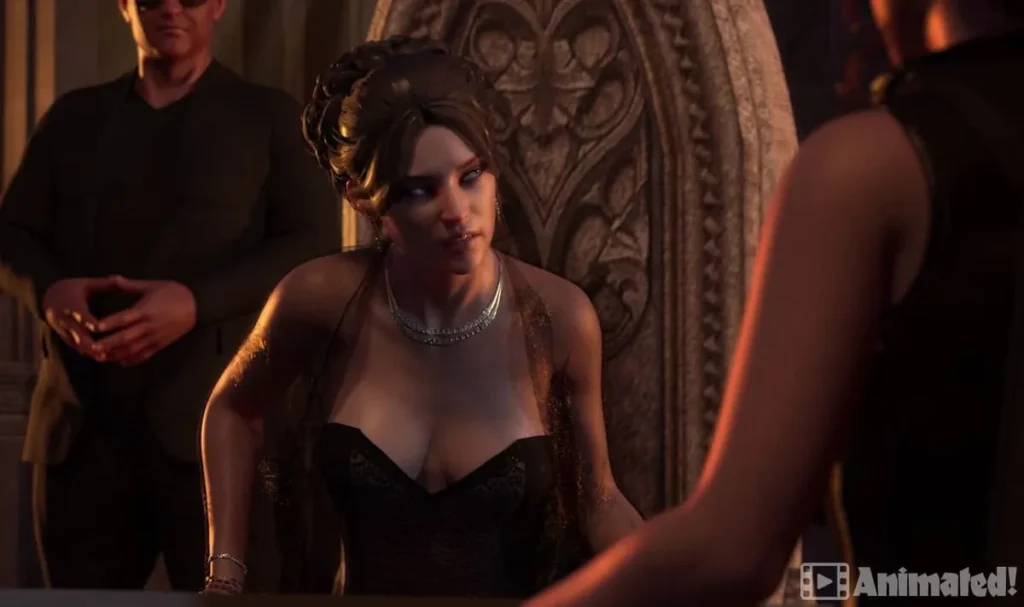




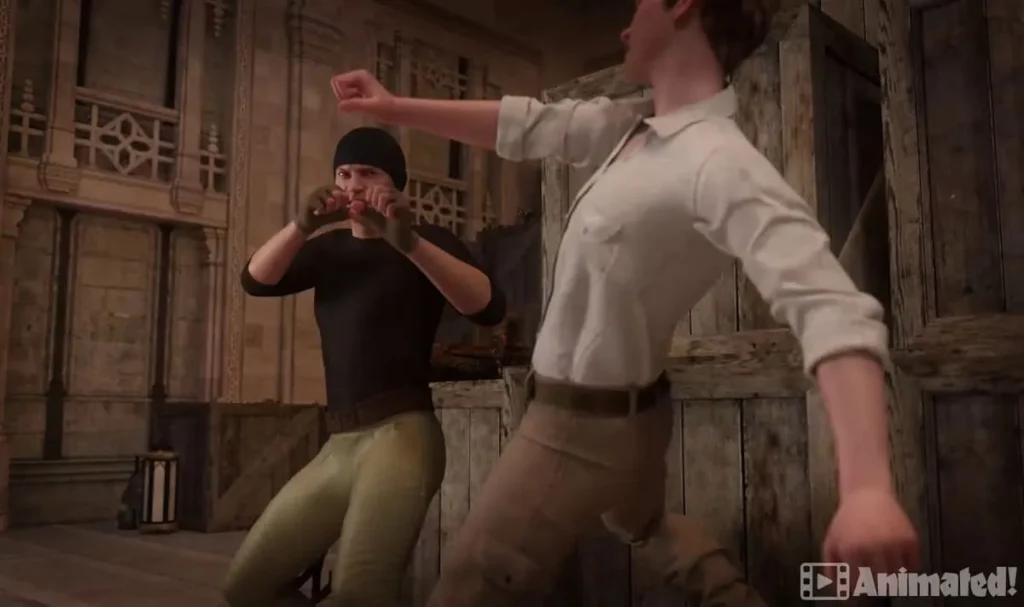







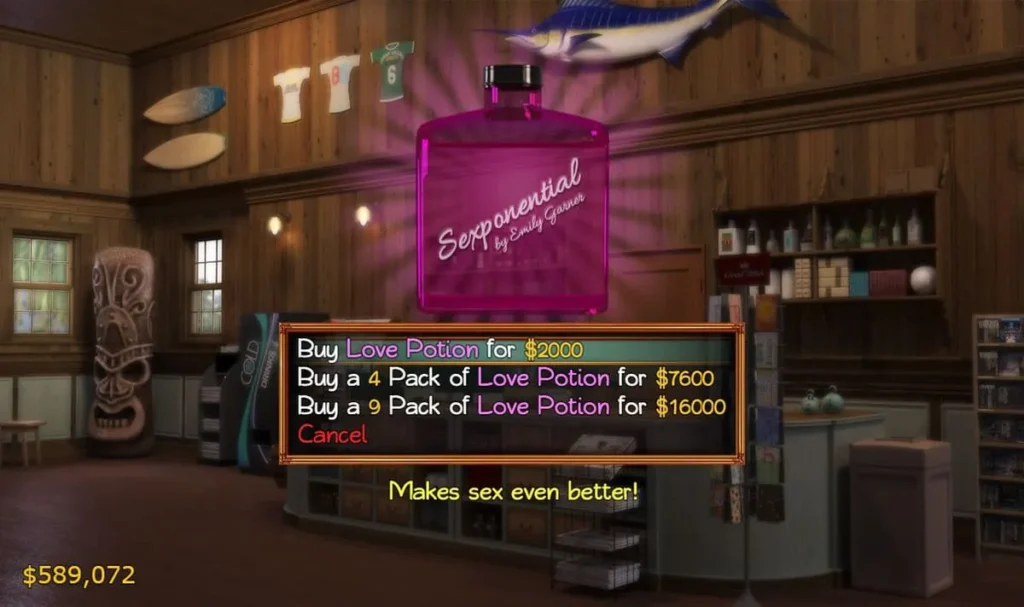






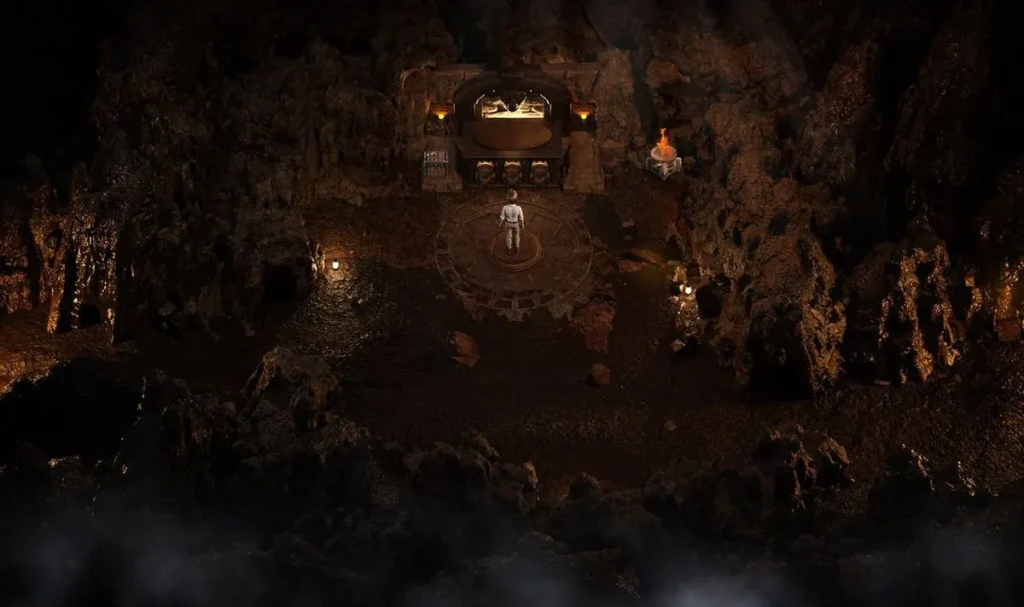
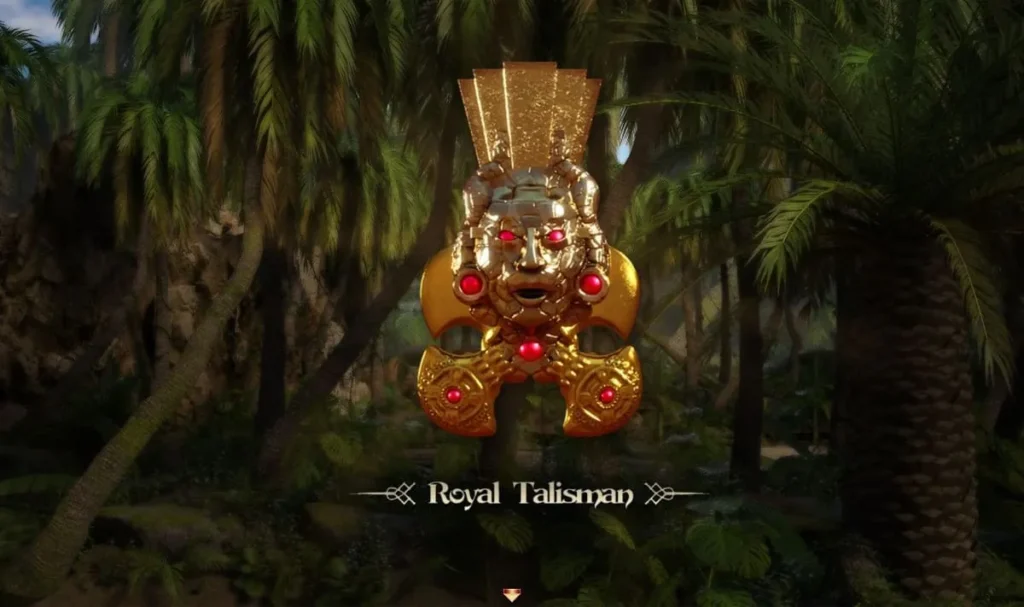
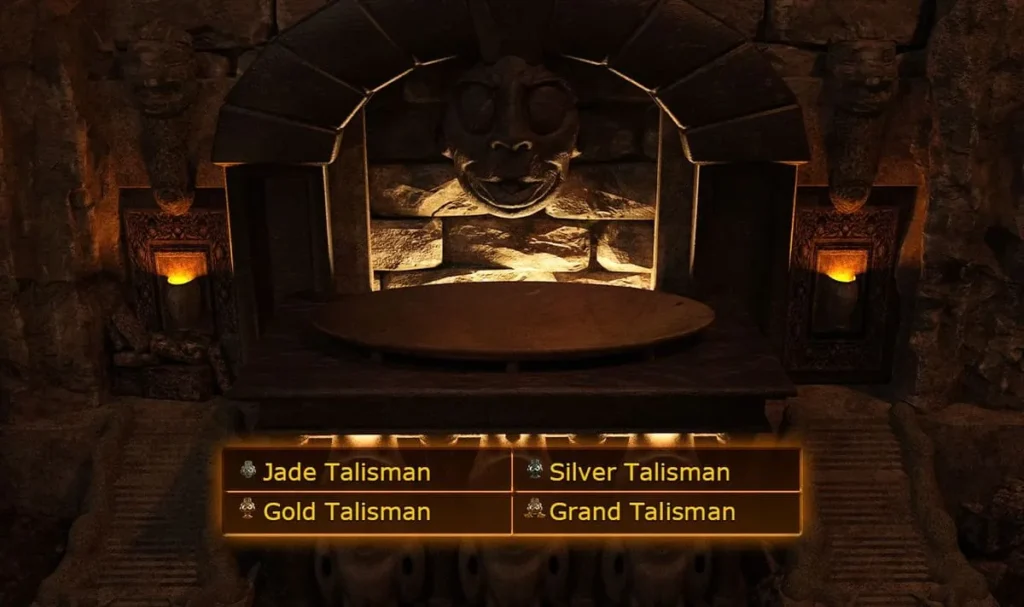
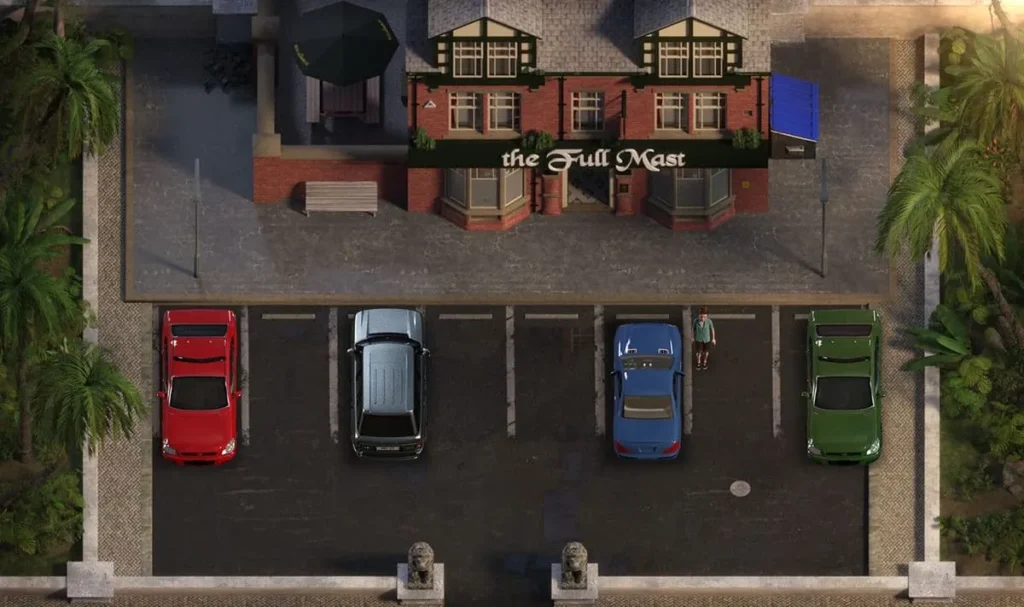
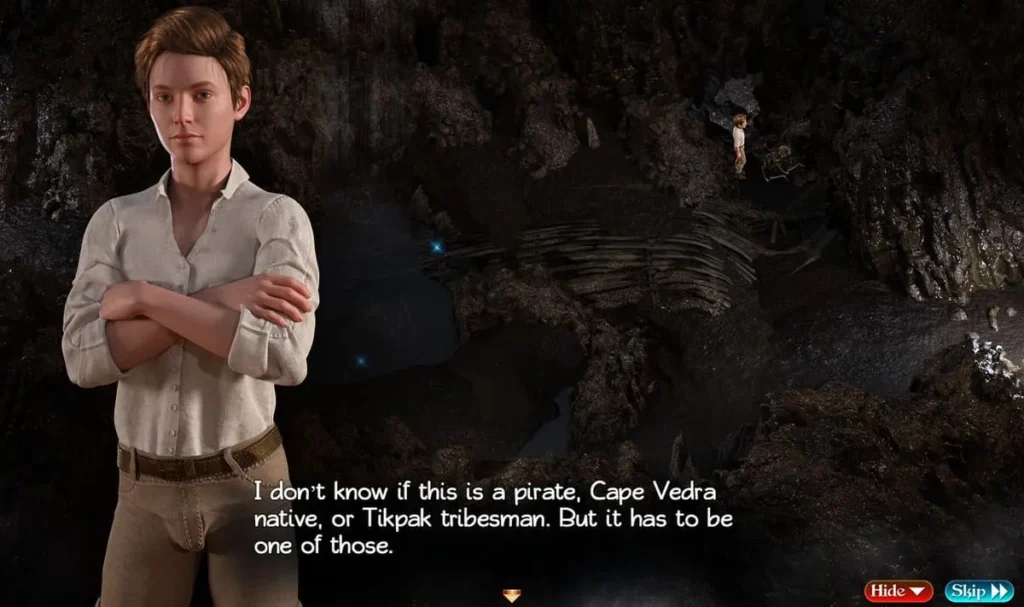
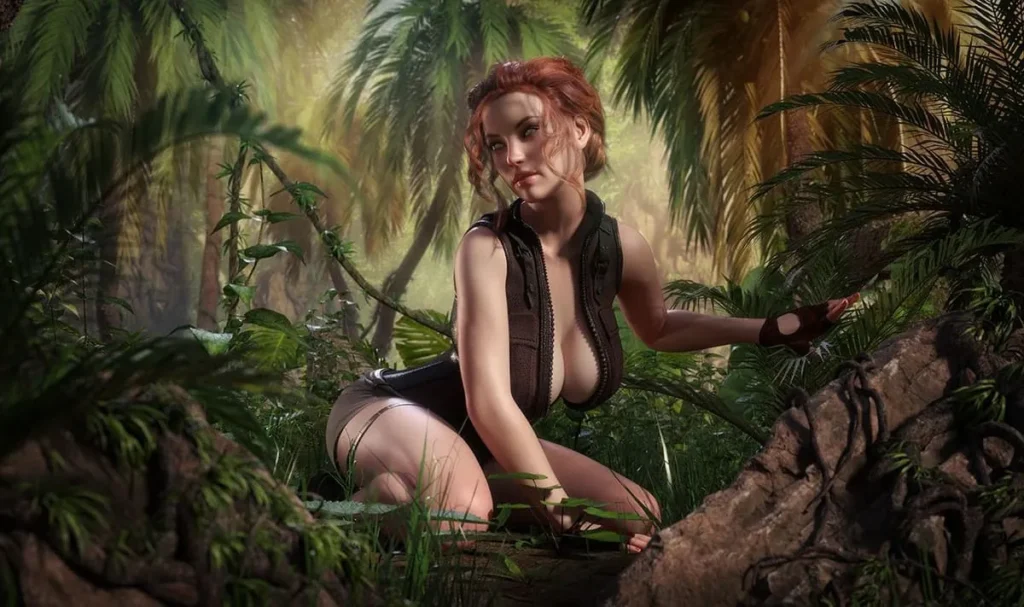
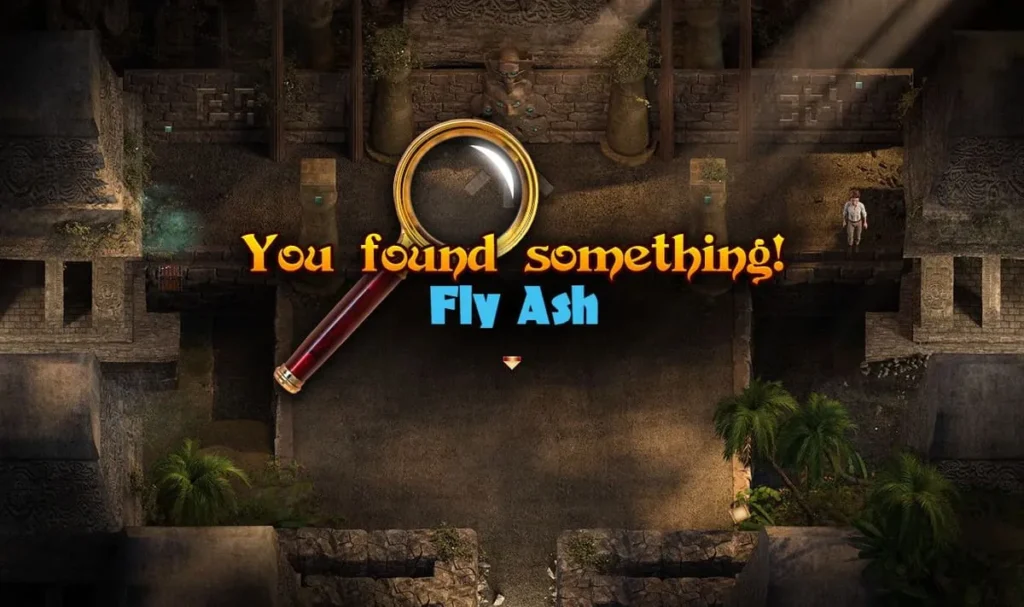
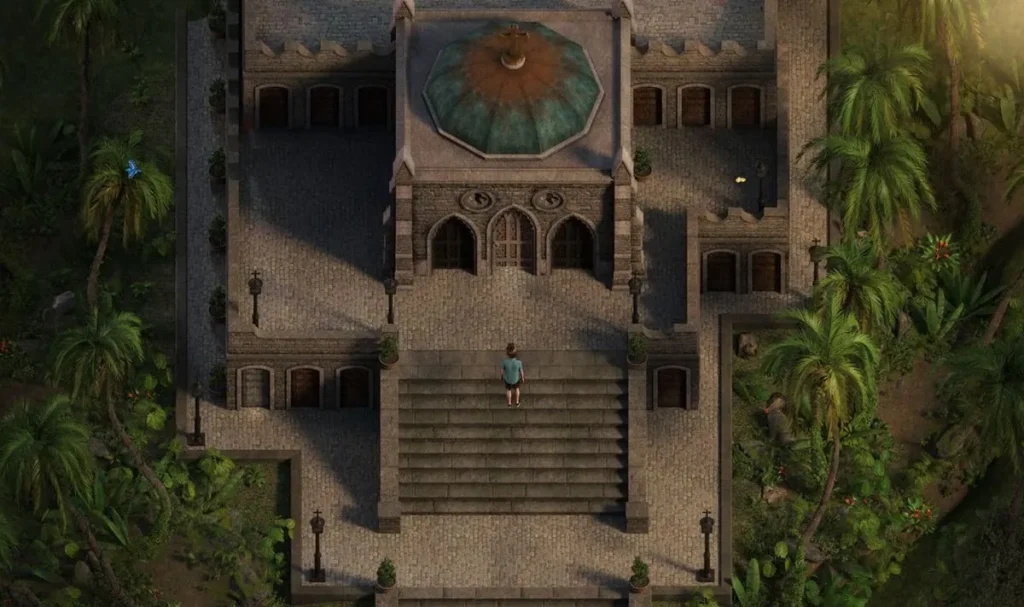
Treasure of Nadia review
Explore gameplay mechanics, storyline, and character romance options in this adventure game
Treasure of Nadia stands out as a unique blend of adventure gaming and interactive storytelling. This game combines Indiana Jones-inspired exploration with puzzle-solving mechanics, character development, and multiple romantic storylines. Players embark on a treasure hunt across mysterious islands, uncovering ancient secrets while building relationships with diverse characters. Whether you’re interested in the gameplay mechanics, story depth, or character interactions, this guide covers everything you need to know about what makes Treasure of Nadia a compelling gaming experience.
Gameplay Mechanics and Core Features
Let’s be honest—when you first boot up Treasure of Nadia, you might think you’ve got it all figured out. It’s a story-driven adventure, right? You just click through scenes and watch the plot unfold. I thought the same thing. Then, about two hours in, I found myself stuck in the jungle, desperately trying to figure out how to combine a rusty hook with a vine to make a grappling hook, all while managing my inventory of seemingly random seashells and herbs. That’s when it hit me: this game has layers. 🧩 The real Treasure of Nadia gameplay mechanics are a deep, satisfying blend of exploration, crafting, and relationship-building that completely elevates the experience from a simple visual novel to a full-fledged puzzle solving adventure game.
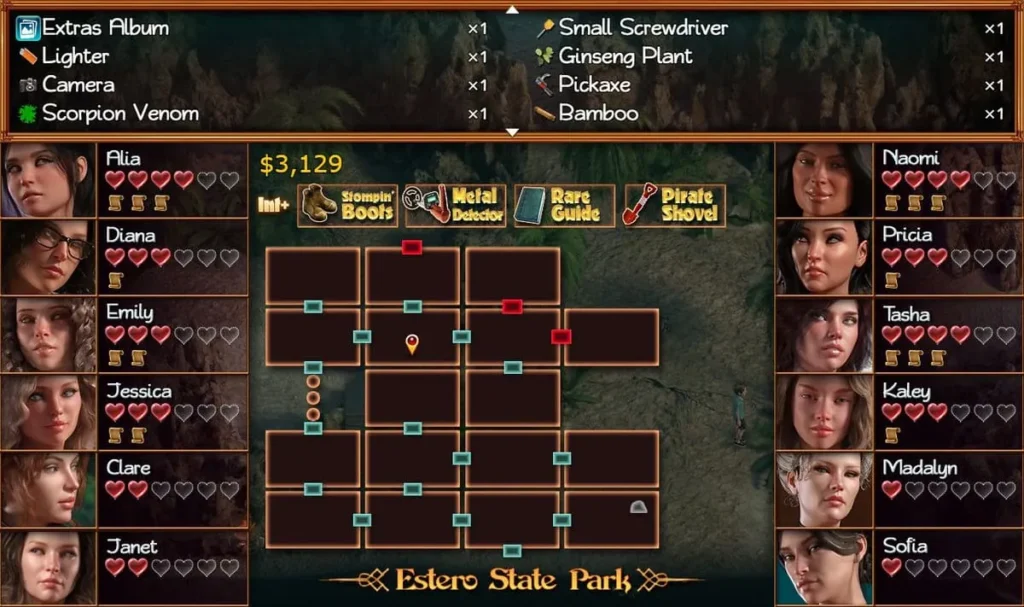
At its heart, the core loop is brilliantly addictive. You explore vibrant locations, talk to characters to receive hints or tasks, scour every pixel for hidden items, and then use your wits (and your crafting menu) to solve environmental puzzles that block your progress. Unlocking a new area often rewards you with story progression or a character scene, which in turn motivates you to explore even further. It’s a cycle of curiosity and reward that had me saying “just one more puzzle” well into the night. To break down how these activities feed into each other, here’s a quick look at the primary gameplay pillars:
| Activity | Primary Purpose | Typical Reward |
|---|---|---|
| Location Scouring | To find essential crafting components, keys, and coins. | Resources, currency, and sometimes direct story triggers. |
| Puzzle Solving | To overcome environmental barriers and access new zones. | Story progression, new areas to explore, and key items. |
| Character Interaction | To build relationships and receive quests or vital clues. | Unlocked scenes, quest items, and crafting recipes. |
| Crafting & Combining | To create the tools needed for puzzles and exploration. | Functional items (grapple, bomb, etc.) that open the world. |
This interconnected design means you’re never doing just one thing. You’re always working on multiple fronts, which keeps the gameplay feeling fresh and dynamic.
How Exploration and Puzzle-Solving Work
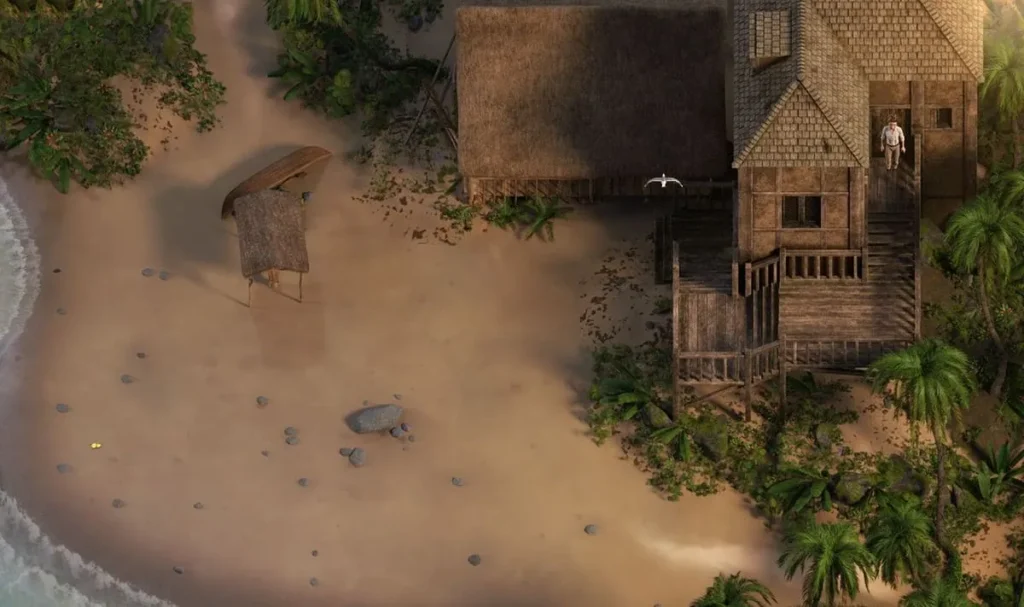
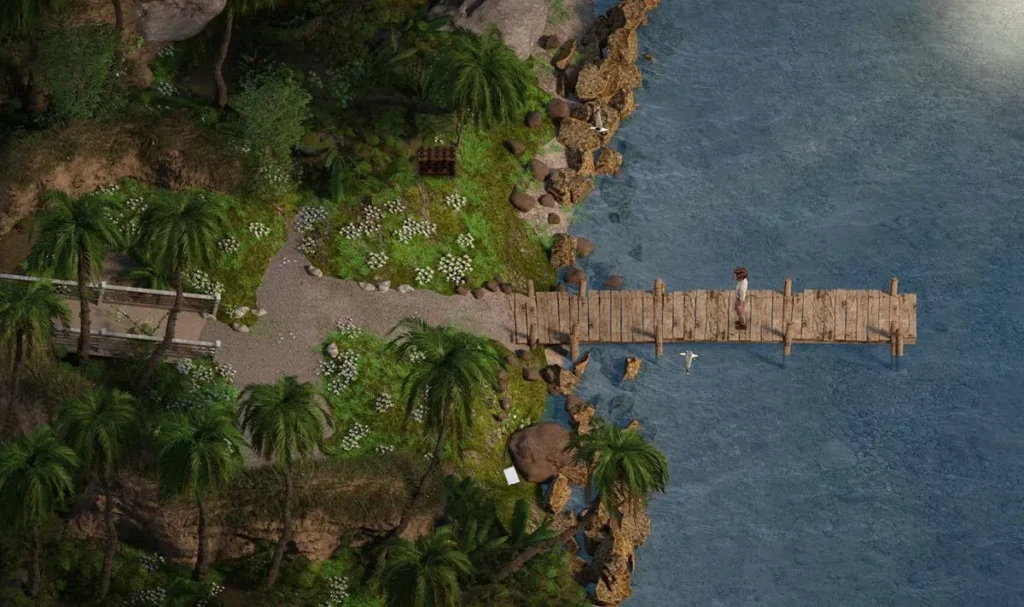
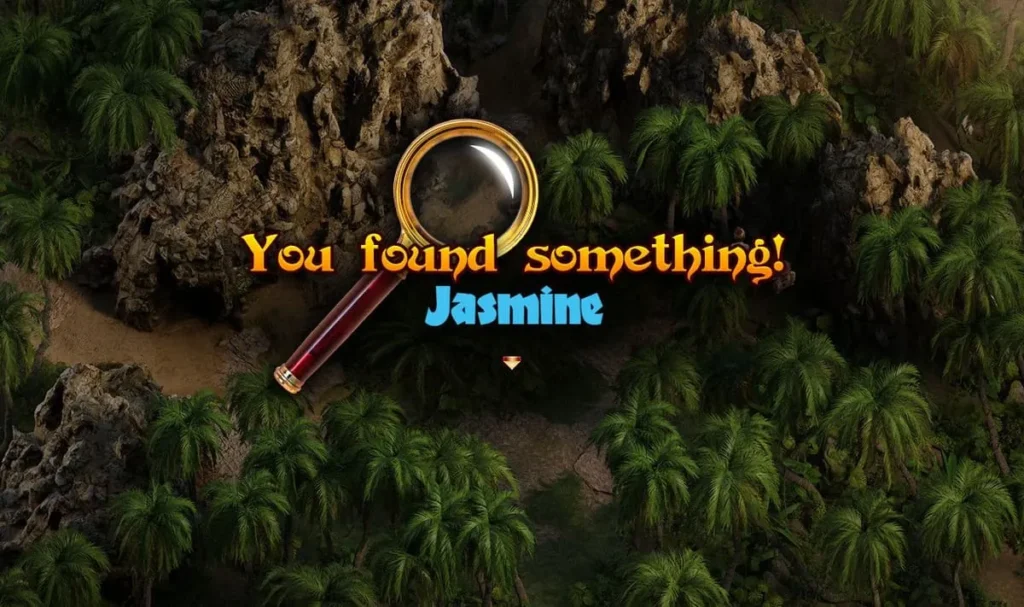
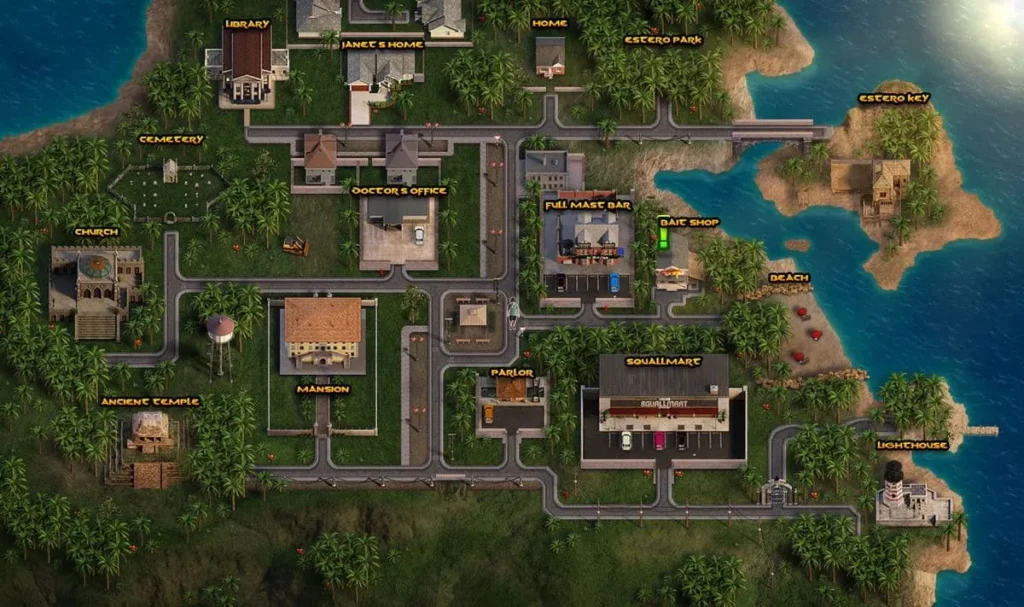
The island of Nadia is your playground, and exploration and treasure hunting are your main pastimes. 🗺️ From the sunny beaches and dense jungles to mysterious temple interiors, each screen is packed with interactive points. The game uses a classic point-and-click interface: you move the cursor around until it changes, indicating something you can examine or pick up. My biggest piece of advice? Be obsessive. Click on everything—that oddly colored rock, that patch of shimmering sand, that unassuming bush. What looks like background decor is often a crucial herb, a hidden coin, or a piece of a larger puzzle.
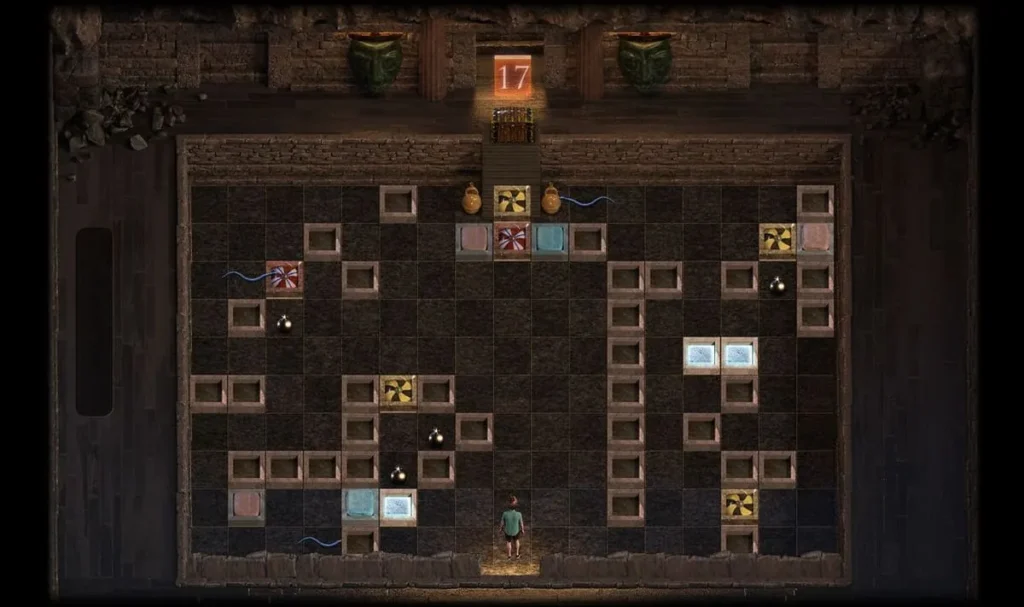
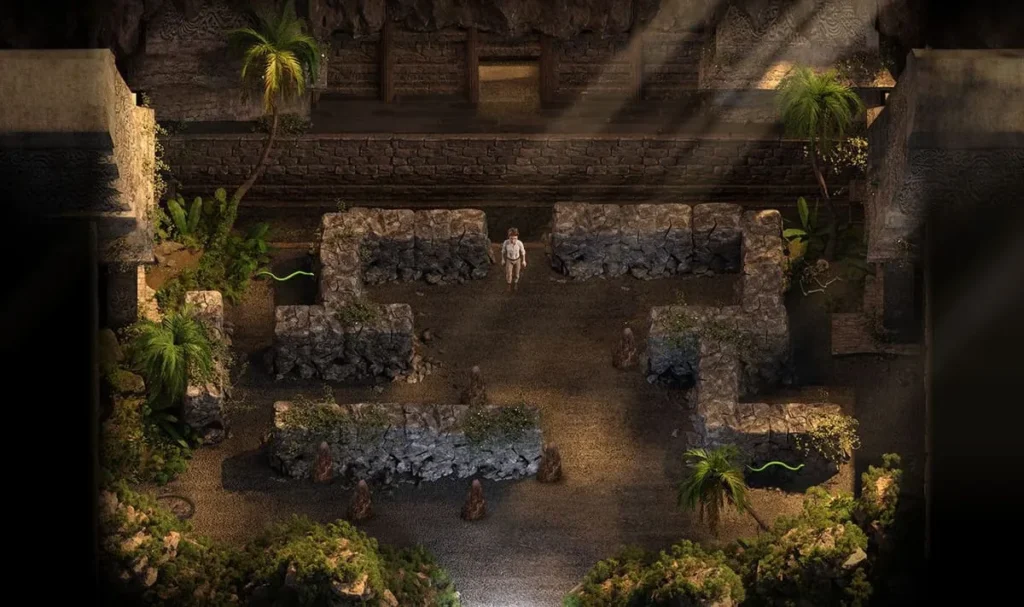
This sense of discovery is the fuel for the entire adventure. The puzzle solving adventure game elements are seamlessly woven into the environment. Early on, you might simply need to find a key hidden under a plant. But soon, you’ll face multi-step logic puzzles. A personal favorite involved a series of ancient pressure plates in a jungle ruin. I had to find several heavy statues scattered around the area and bring them back to place on the plates in the correct order, which was only hinted at through faded murals on the wall. It felt less like a game telling me what to do and more like genuine archaeological problem-solving.
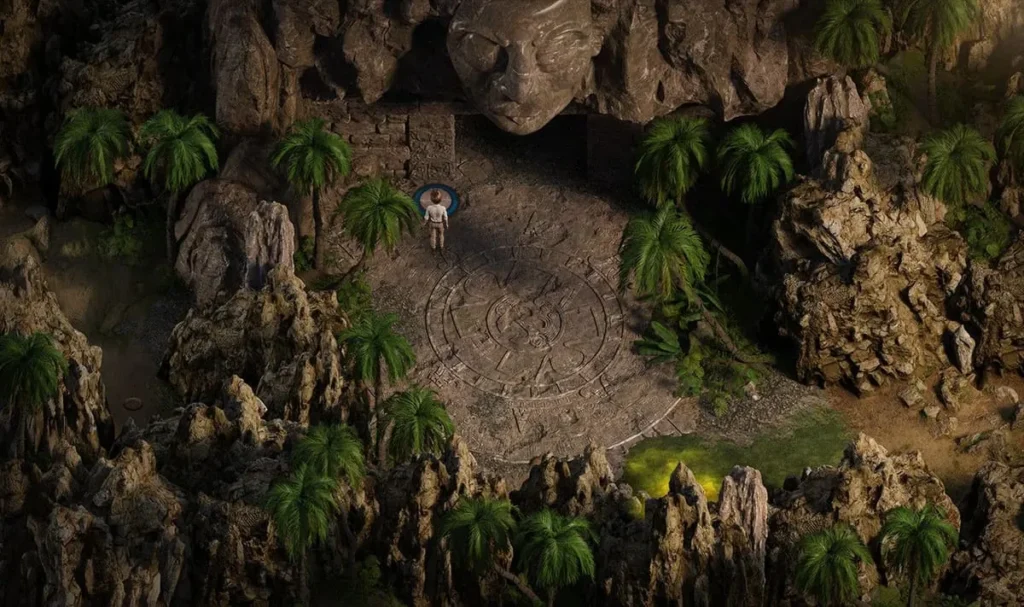
The temple puzzles and keys are where the game truly shines. These are often the major progression gates. You’ll collect various symbolic keys—Stone Keys, Golden Keys, Crests—that fit into specific altars or doors. The puzzles surrounding them can be complex, involving pattern matching, sequence memorization, or even using crafted items in creative ways. For instance, one late-game temple required me to use my slingshot not as a weapon, but to hit distant switches in a specific order to lower a bridge. It’s this variety that prevents the puzzle design from ever feeling stale.
Pro Tip: Always carry a few torches or use your lighter! 🔦 Many dark areas in caves or temples hide essential items or clues that are only visible when illuminated. I wasted hours retracing my steps because I missed a key inscription in a dark corner.
To help you hit the ground running, here’s a starter checklist for effective exploration:
- Adopt a Scanner Mentality: When you enter a new area, methodically move your cursor over every inch of the screen before you even think about progressing.
- Talk to Everyone, Repeatedly: Characters often have new dialogue after you find a key item or complete a puzzle. They are your best source of hints.
- Document Everything: If you see a puzzle you can’t solve yet (like a locked door with a strange symbol), make a mental or actual note. You will find the key later.
- Revisit Old Haunts: New items and abilities let you access previously unreachable spots in areas you’ve already cleared. A regular revisit tour is a fantastic idea.
- Prioritize Tool Crafting: Items like the Grappling Hook and Bomb open up massive amounts of the map. Focus on gathering their components as soon as you get the recipes.
Crafting System and Item Management
If exploration is the heart of Nadia, then the crafting system guide is its backbone. 🛠️ This isn’t a superfluous feature; it’s absolutely mandatory for progression. You won’t be crafting decorative furniture—you’ll be building the vital tools that allow you to interact with the world. The system is intuitive but deep. You access your crafting menu (the iconic anvil icon), which lists all recipes you’ve discovered. Recipes are unlocked through story events, by finding scrolls, or as rewards for helping characters.
The process is straightforward: if you have the required components in your inventory, you click “Craft.” The challenge—and the fun—lies in the gathering. Resources are scattered all over the island. Vines dangle from jungle canopies, herbs sprout in meadows, ore veins are embedded in cave walls, and seashells litter the beach. This turns every exploration session into a productive resource run. I remember the “aha!” moment when I finally gathered enough Silverbark and Strong Rope to craft the Grappling Hook. Suddenly, all those previously frustrating cliff edges became new pathways.
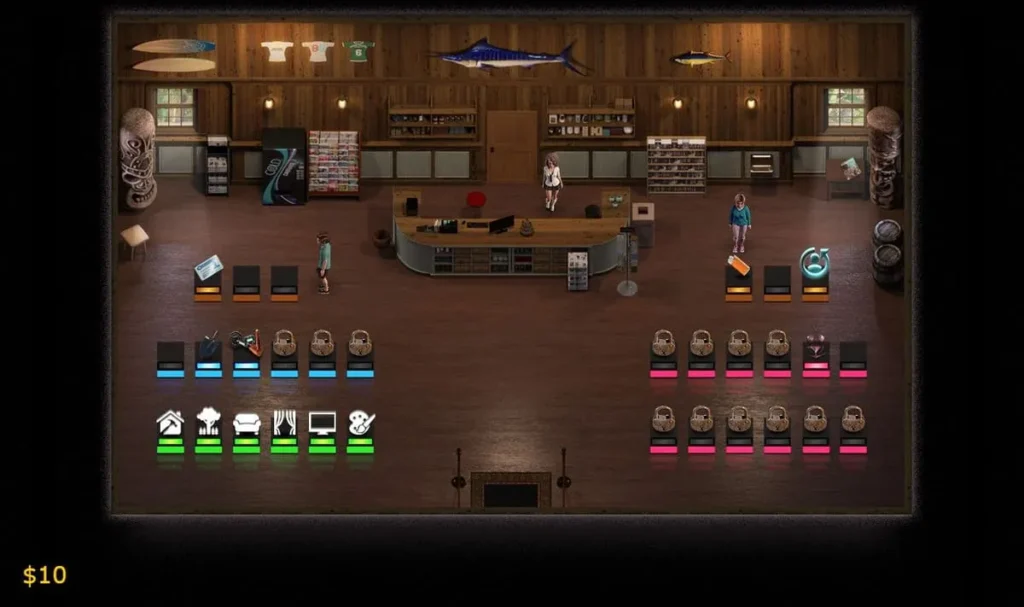
Managing your inventory becomes a mini-game in itself. Space is limited, especially early on. You’ll constantly be making decisions: Do I keep these five common shells for a possible future recipe, or drop them for this rare mushroom I just found? This encourages smart planning. The game cleverly ties major upgrades, like backpack expansions, to character relationship progression, giving you a tangible reward for investing time in the people of the island.
Here are some core crafting staples you’ll rely on:
* Grappling Hook: For crossing gaps and reaching high ledges. A game-changer for vertical exploration.
* Bomb: For destroying cracked walls and rocks, revealing secrets and new paths.
* Lockpick: For opening certain chests and doors, often containing premium resources or coins.
* Health Potions: Essential for surviving hazardous areas or specific story events.
The beauty of this system is that it makes the world feel interactive and malleable. You’re not just finding keys; you’re creating them. You’re engineering solutions to environmental problems, which is incredibly satisfying and makes you feel like a true adventurer.
Character Progression and Relationship Building
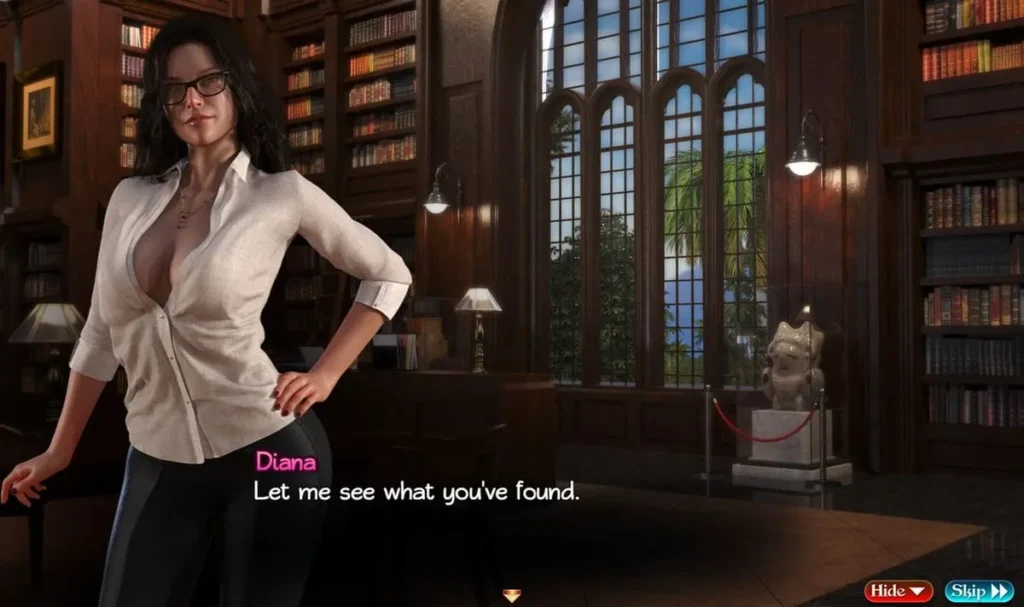
While the puzzles and crafting engage your brain, the character relationship progression system is what gives the adventure its heart and, let’s be honest, a significant part of its driving motivation. 💘 This isn’t a passive system where relationships advance automatically with the plot. It’s active, requiring gifts, repeated conversations, and completing personal quests for each character.
The core loop here is simple but effective: find out what a character likes (often through dialogue hints), gather or craft that item, and give it to them. This raises their affection level, which is tracked visually in your relationship menu. Each character has multiple milestones. Reaching a new level often triggers a special scene, advances their personal storyline, and can reward you with recipes, keys, or even gameplay upgrades like that precious inventory space I mentioned earlier.
So, how to unlock scenes? It’s all about attentive generosity. For example, one character might love rare flowers found deep in the jungle, while another might prefer crafted jewelry. Paying attention to these preferences is key. The game does an excellent job of weaving these personal tasks into the main exploration and treasure hunting loop. You’re never just gathering herbs for a potion; you might also be collecting them to make a perfume for a character who will then give you a clue for a temple puzzle. Everything is connected.
This system creates a wonderful pacing rhythm. You’ll have bursts of intense Treasure of Nadia gameplay mechanics focused on a complex temple, followed by quieter character-driven segments where you deliver gifts and enjoy the narrative payoff. It prevents burnout from either pure puzzle grinding or endless dialogue. The relationships feel earned, and the scenes you unlock serve as meaningful rewards for your effort, fleshing out the world and making the island of Nadia feel alive.
In my playthrough, balancing time between the adventurous main quest and these personal side stories was the most enjoyable part. It transformed the game from a simple treasure hunt into a rich story about community and connection. The character relationship progression is the secret ingredient that takes the solid foundation of exploration and crafting and builds something truly memorable and engaging upon it. It’s the reason you care about solving those final temple puzzles and keys—not just for the treasure, but for the people you’re helping along the way.
Treasure of Nadia successfully merges adventure gameplay with compelling storytelling and character-driven narratives. The game excels in visual presentation and offers substantial content through multiple romantic storylines and exploration-based puzzles. While the mid-game pacing can feel grindy and some audio elements repeat frequently, the overall experience delivers engaging entertainment for players seeking a story-rich adventure. The diverse cast of characters, quality animations, and meaningful player choices create a memorable gaming experience. Whether you’re drawn to treasure hunting mysteries, character relationships, or puzzle-solving gameplay, Treasure of Nadia provides a well-rounded package that justifies exploration. For those interested in narrative-driven games with substantial replay value through multiple paths, this title stands as a notable entry in its genre.