
Tropicali
Play Tropicali
Tropicali Screenshots












Tropicali review
Explore the mechanics, story, and interactive systems of this tropical resort management adventure
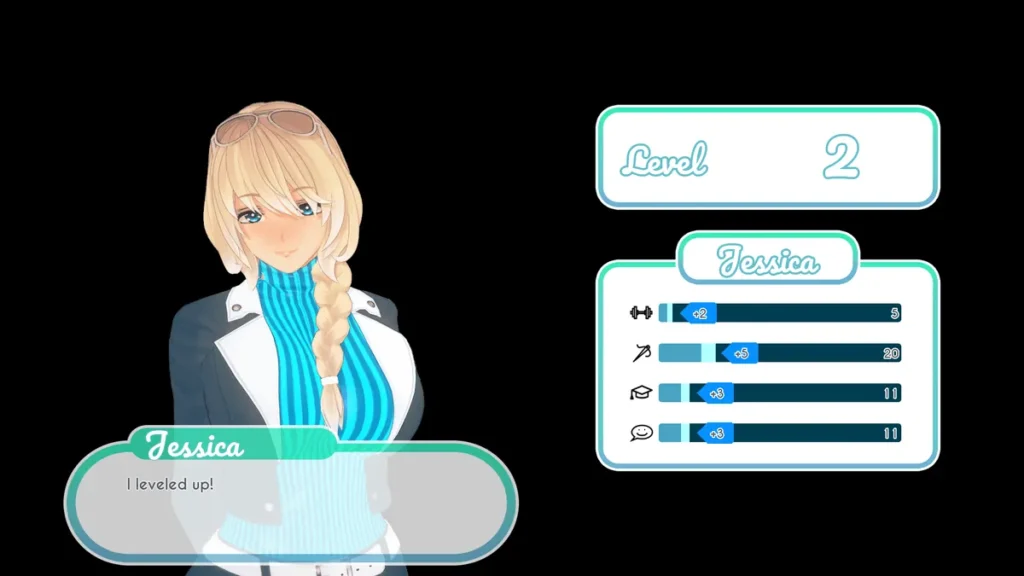
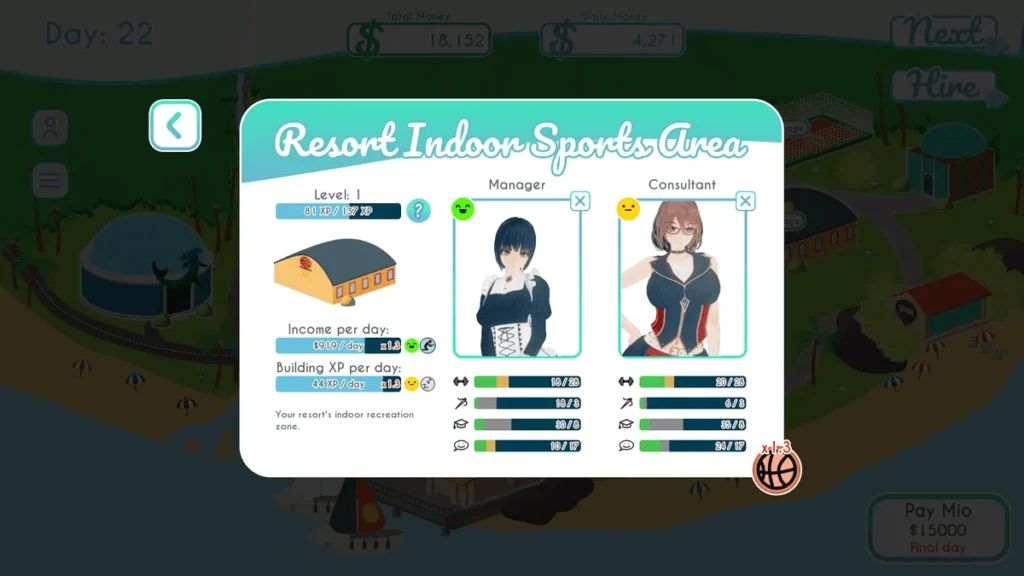
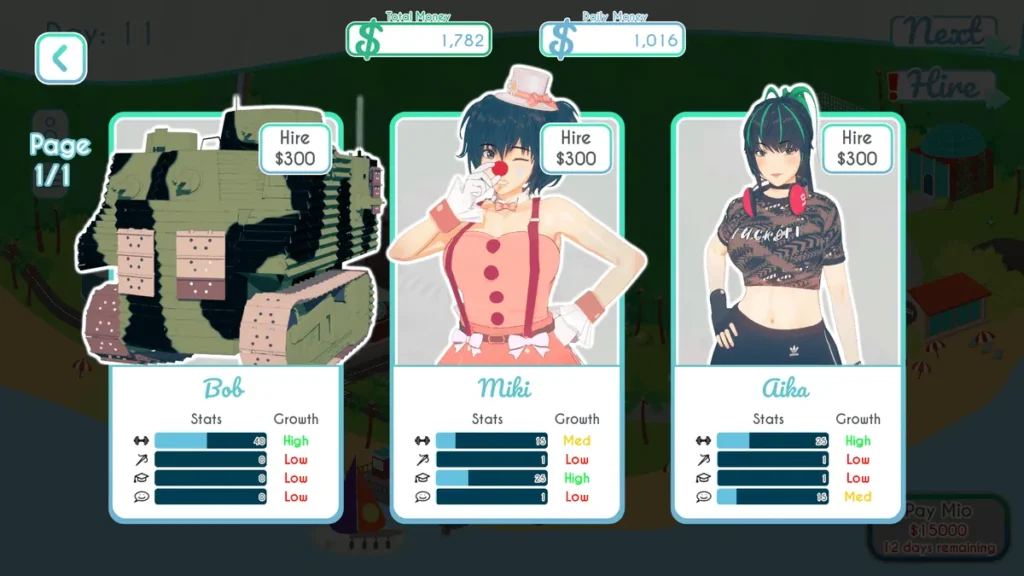
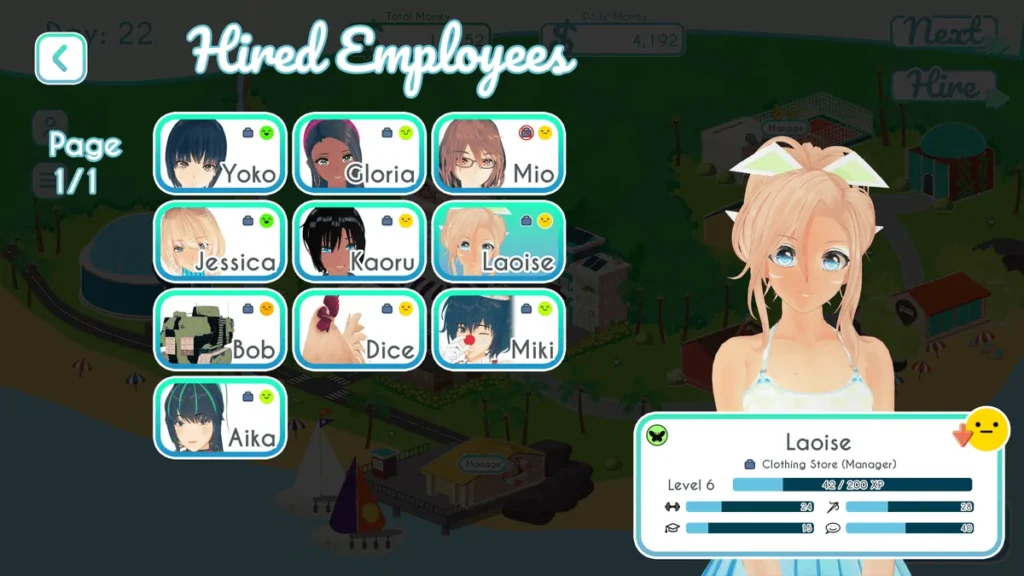
Tropicali is a point-and-click adventure game that combines classic exploration mechanics with modern interactive storytelling. Developed by Story Anon, this tropical resort management experience puts you in control of a prestigious island resort inherited from your late father. The game seamlessly blends inventory-based puzzle solving, branching dialogue systems, and relationship management into a cohesive gameplay loop. Whether you’re interested in the core mechanics, character-driven narrative, or the choices that shape your journey, this guide covers everything you need to know about what makes Tropicali a standout title in the adventure game genre.
Understanding Tropicali’s Core Gameplay Mechanics
Ever feel like you just click with a game? 🎮 That moment when the controls fade away and you’re simply there, immersed in a vibrant world where your curiosity is the only tool you need? That’s the magic Tropicali captures from the very first second. As someone who’s managed more than a few virtual resorts, I can tell you that Tropicali gameplay mechanics stand apart by weaving classic adventure charm into a rich, player-driven narrative. It’s not just about building the perfect paradise; it’s about navigating the personal stories within it, and every single choice you make ripples through the experience.
At its heart, Tropicali is a masterclass in modern interactive choice-based game design. It seamlessly blends the meticulous exploration of a point-and-click adventure game with the emotional weight of a relationship simulator and the “aha!” moments of clever inventory puzzle solving. This guide will dive deep into the three pillars that form the foundation of your island adventure: exploration, puzzles, and dialogue. By understanding these Tropicali gameplay mechanics, you’ll unlock the full potential of your agency and discover why no two playthroughs are ever the same. 🌴
Point-and-Click Exploration and Navigation
Forget complex control schemes. Tropicali brings you back to the pure, intuitive joy of exploration with its refined point-and-click adventure game DNA. Your cursor is your key to the entire island resort. A simple click sends your character strolling along sandy paths, into bustling staff areas, or through the serene guest bungalows. The genius lies in the details and the deliberate pace this mechanic enforces.
The world of Tropicali is a character in itself, densely packed with interactive hotspots. These aren’t always obvious! You’ll need to hover your cursor around the lush scenery to discover a slightly wobbly floorboard in the main lodge, a suspiciously shiny conch shell half-buried on the beach, or a flickering light in the staff kitchen. 🕵️♀️ I remember on my first playthrough, I was so focused on the main tasks that I completely missed a hidden pathway behind a waterfall, which later held a crucial item for a character’s side story. The game rewards the observant player, encouraging you to revisit locations as the story progresses and new elements are introduced.
This exploration is non-linear and deeply connected to the sense of Tropicali player agency. You decide where to go and when. Fancy solving a guest’s mystery before fixing the broken volleyball net? Go for it. Want to spend an in-game day just chatting with the bartender, Leon, to learn his backstory instead of managing supplies? The game supports that. This freedom makes the resort feel alive and owned by you. The point-and-click interface is your perfect, unobtrusive vehicle for this ownership, making the discovery of each new scene or secret feel personal and earned.
To see how these core systems work together to empower you, let’s break them down:
| Core Mechanic | How It Manifests in Tropicali | Resulting Player Agency & Impact |
|---|---|---|
| Exploration & Navigation | Intuitive cursor-based movement and discovery of hidden, contextual hotspots in a persistent, revisitable world. | Controls the pace and focus of the story. Directs the narrative by choosing which locations, characters, and secrets to pursue first, creating a personalized investigative path. |
| Inventory & Puzzle Solving | Collecting context-sensitive items and using logic (or creative thinking) to combine them with environmental hotspots to overcome obstacles. | Provides tangible problem-solving power. Your success in aiding characters and progressing the plot is directly tied to your observational skills and resource management, making progress feel earned. |
| Dialogue & Choice | Branching conversation trees with tone-based options and sometimes timed responses that alter character perceptions and story paths. | Defines your social identity and shapes the narrative world. Relationships, available quests, and even endings are determined by your conversational choices, offering profound narrative control. |
Inventory Systems and Puzzle Solving
If exploration is how you see the world of Tropicali, then inventory puzzle solving is how you change it. 🧩 This isn’t about obtuse, moon-logic puzzles where you use a rubber chicken on a pulley system (unless there’s a very quirky guest, I suppose). The puzzles here are grounded in the charming reality of keeping a resort afloat. They’re environmental, logical, and always tied to character needs or story progression.
Your inventory is a curated collection of the island’s quirks and necessities. You might find a loose fuse, a guest’s lost novel, a particularly strong coconut, or a roll of duct tape (the real MVP of any resort). The challenge—and the fun—comes from figuring out where and on what to use these items. The game brilliantly uses visual and audio feedback. When your cursor changes over a hotspot and you have a plausible item selected, you’ll feel that click of potential. I learned this lesson well when trying to help the handyman, Finn, fix a generator. I had the wrench, but it wasn’t working. Only after re-exploring the scene did I notice the frayed wiring, requiring the electrical tape I’d picked up hours earlier in a different area.
This system is the engine of progression. Helping a stressed-out guest might require you to find their lost necklace (exploration), discover it’s caught in a palm tree (observation), and then use a long pole from the maintenance shed (inventory puzzle solving) to retrieve it. Your success directly opens up new dialogue, deepens relationships, and often gifts you new items or information, creating a satisfying loop. This tangible problem-solving is a key source of Tropicali player agency; the world’s problems wait for you to figure them out, and there’s often more than one solution path, especially when combined with…
Dialogue Trees and Choice-Based Progression
Here is where Tropicali truly transcends from a charming management sim to a deeply personal narrative experience. The character relationship system is powered by intricate branching dialogue choices that give you unprecedented control over who you are in this paradise. Every conversation is a opportunity to define your personality and alter your relationships.
You’re not just picking “Good” or “Evil” responses. The options are nuanced, reflecting tones like Helpful, Flirtatious, Sarcastic, or Dismissive. These choices have immediate and long-term consequences. A Helpful approach to the anxious chef, Maya, might calm her down and later lead to her sharing a secret family recipe that becomes a resort specialty. The same situation handled with Sarcasm might get a laugh but could also hurt her feelings, making her less likely to ask for your help on a future, more critical task. The game doesn’t judge your style—it reacts to it, making the character relationship system feel authentic and impactful.
Pro Tip: Pay close attention to character bios and previous conversations. A Flirtatious comment might charm the confident surf instructor, Kai, but could completely backfire with the reserved marine biologist, Sam, who prefers straightforward, Helpful professionalism.
Sometimes, the pressure is real with timed responses ⏳. A character might pose a difficult question, and you only have a few seconds to decide how to answer. These moments heighten the sense of realism and make your choices feel instinctive and consequential. Did you quickly defend a staff member from a rude guest, or did you hesitate and take a more diplomatic route? The game remembers, and the staff’s morale will reflect that.
Let’s walk through a concrete example. Imagine a scenario with “Leo,” the veteran bartender who is struggling to source a rare fruit for a signature cocktail.
-
The Helpful Path: You choose “I think I saw a similar tree near the east ridge. Want me to check?” This shows investment in Leo’s passion. He’ll be grateful, and this likely unlocks a small fetch quest. Completing it will significantly boost your friendship with Leo, potentially unlocking his personal storyline about his past travels, and he might later give you free drinks that boost other characters’ mood.
-
The Flirtatious Path: You choose “For a cocktail that good, I’d hunt through the whole jungle for you.” This adds a layer of personal chemistry. Leo might blush and become slightly more open, offering different, more personal conversation threads earlier than usual. However, it might also close off more platonic, mentor-like story beats.
-
The Dismissive Path: You choose “Can’t you just use pineapple like everyone else?” This shuts down the conversation. Leo will be offended, marking a negative flag in your relationship. He’ll be less helpful in future interactions, might charge you for drinks, and his entire personal questline—including unique rewards and story insights—will remain permanently locked for this playthrough.
This is the power of branching dialogue choices. They aren’t illusions of choice; they are the steering wheel for the narrative. On a second playthrough, you can approach Leo (and every other character) with a totally different persona, leading to unrecognizable story beats and challenges. This is the ultimate Tropicali gameplay mechanics triumph: creating an interactive choice-based game where your voice shapes the world. The character relationship system ensures that the resort isn’t just built on sand and palm trees, but on the fragile, dynamic web of friendships and rivalries you cultivate.
Understanding these interconnected systems—the mindful exploration, the satisfying puzzle logic, and the profound weight of your words—is the key to mastering Tropicali. This isn’t a game you simply play; it’s a world you inhabit and influence. Every clicked hotspot, every combined item, and every chosen word feeds into the incredible sense of Tropicali player agency. So take a deep breath of that digital sea air, trust your instincts, and get ready to build your paradise, one thoughtful choice at a time. Your unique story is waiting on the shore. 🏝️
Tropicali stands out as a sophisticated blend of classic adventure game design and modern interactive storytelling. The game’s strength lies in how seamlessly it integrates point-and-click exploration, inventory-based puzzles, and meaningful dialogue choices into a cohesive experience where every decision shapes your journey through the tropical resort. With well-developed characters, branching narrative paths, and a responsive world that reacts to your choices, the game encourages multiple playthroughs to discover different story outcomes and relationship endings. Whether you’re drawn to the management mechanics, character-driven narrative, or the satisfaction of solving interconnected puzzles, Tropicali delivers a compelling adventure that respects player agency while maintaining narrative depth. The game’s completion at version 1.0 represents a fully realized vision that successfully balances gameplay depth with engaging storytelling, making it a notable entry in the adventure game genre.